Varanasi, also known as Kashi and Banaras, is one of the world's oldest continuously inhabited cities and the spiritual capital of India. Nestled on the banks of the sacred Ganges, this city of light (Kashi means "city of luminous light") has been a beacon of spirituality, philosophy, and learning for over 3,000 years. Mark Twain famously wrote, "Benaras is older than history, older than tradition, older even than legend, and looks twice as old as all of them put together." Our Delhi to Varanasi tour package offers a transformative journey through this timeless city.
Experience Spiritual Kashi
Our comprehensive Varanasi 3 Days Tour includes Ganga Aarti, sunrise boat ride, Kashi Vishwanath darshan, and Sarnath exploration.
Book Varanasi Tour - ₹15,000 →Why Varanasi is India's Spiritual Capital
Hindus believe that dying in Varanasi breaks the cycle of rebirth and grants moksha (liberation). This belief makes Varanasi a place where life and death coexist openly, where funeral pyres burn 24/7 at the ghats while just meters away, devotees perform morning prayers and children play. This unique juxtaposition of life's polarities creates an atmosphere that is intense, profound, and unlike anywhere else on Earth.
The city is sacred to Hinduism, Buddhism, and Jainism. Lord Shiva is believed to have made Kashi his home, and the city has been a center of learning since ancient times, producing some of India's greatest scholars, musicians, and philosophers. The Banaras Hindu University, founded in 1916, continues this tradition of academic excellence.
The Sacred Ghats of Varanasi
Varanasi has 88 ghats (stepped stone riverbanks) along the Ganges, each with its own significance and history. Here are the must-visit ghats:
1. Dashashwamedh Ghat
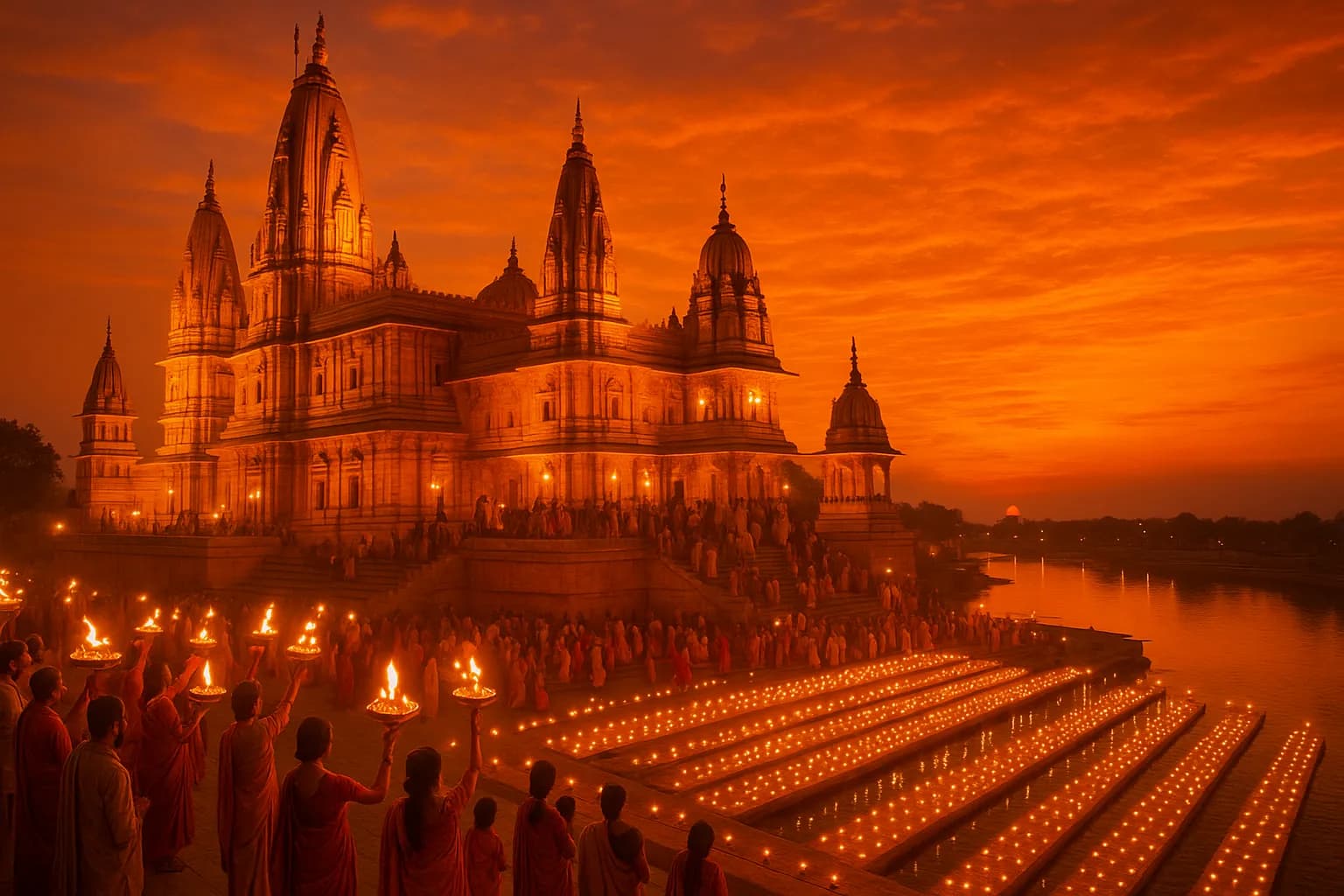
The most famous and spectacular ghat, where the nightly Ganga Aarti takes place. According to legend, Brahma sacrificed ten horses (dashashwamedha) here. The evening aarti ceremony, performed by a group of priests with large brass lamps, fire, incense, and chanting, is one of India's most mesmerizing spiritual experiences. Arrive early (by 5:30 PM) for a good viewing spot.
2. Manikarnika Ghat
The principal cremation ghat, where funeral pyres have burned continuously for thousands of years. Hindus believe that being cremated here guarantees moksha. While visitors can observe from a respectful distance, photography is strictly prohibited and must be respected. The atmosphere is solemn and deeply spiritual.
3. Assi Ghat
The southernmost ghat, popular with tourists and locals for its morning yoga sessions, classical music, and cultural activities. The ghat is named after the mythological sword (asi) of Goddess Durga. The large Shiva lingam under a peepal tree is worshipped daily. This is the best ghat for staying and experiencing local life.
4. Harishchandra Ghat
The second-largest cremation ghat, named after the legendary King Harishchandra who worked here to pay off his debts. It's slightly less crowded than Manikarnika and offers a similar spiritual experience.
5. Kedar Ghat
Known for the Kedareshwar Temple (South Indian style architecture) and beautiful painted buildings. It's a quieter ghat popular with devotees from South India.
Complete Varanasi Spiritual Experience
Our Varanasi Tour Package includes:
- ✓ Evening Ganga Aarti at Dashashwamedh Ghat
- ✓ Magical sunrise boat ride on the Ganges
- ✓ Kashi Vishwanath Temple darshan
- ✓ Walking tour of ancient ghats
- ✓ Sarnath Buddhist pilgrimage
- ✓ Local AC transportation
Must-Visit Temples
Kashi Vishwanath Temple
One of the 12 Jyotirlingas dedicated to Lord Shiva, this is Varanasi's most sacred temple. The original temple was destroyed multiple times and rebuilt; the current structure dates to 1780, built by Ahilyabai Holkar. The new Kashi Vishwanath Corridor (inaugurated 2021) has transformed access to the temple, creating a beautiful pathway from the ghat to the shrine. Strict security means no phones, cameras, or bags allowed inside.
Sankat Mochan Hanuman Temple
Dedicated to Lord Hanuman, this peaceful temple is known for its musical traditions. The Sankat Mochan Music Festival held here attracts classical musicians from across India. The temple is associated with poet-saint Tulsidas who reportedly had a vision of Hanuman at this spot.
Durga Temple (Monkey Temple)
A striking red-sandstone temple from the 18th century, dedicated to Goddess Durga. Named "Monkey Temple" due to the large population of monkeys here. The temple pond (Durga Kund) adds to the atmosphere. Non-Hindus may not enter the inner sanctum but can view the exterior.
Tulsi Manas Temple
A modern marble temple where Goswami Tulsidas is believed to have written the Ramcharitmanas (Hindi version of Ramayana). The temple walls are inscribed with verses from the epic.
Sunrise Boat Ride - A Must Experience
A sunrise boat ride on the Ganges is perhaps Varanasi's most magical experience. As the first rays of sunlight touch the ghats, the city awakens in the most sacred way possible. Devotees perform their morning ablutions, priests conduct rituals, yoga practitioners greet the sun, and the ancient buildings glow golden. The boat glides past 88 ghats, each telling stories of faith, death, and renewal.
Boats are available at most ghats. Private boat (1-5 persons): ₹300-600, Shared boat: ₹100-200 per person. Early morning (5-7 AM) is essential for the full experience.
Sarnath - Where Buddha Preached
Located just 10 km from Varanasi, Sarnath is where Buddha delivered his first sermon after attaining enlightenment. This is one of Buddhism's four holiest sites. Must-see attractions include:
- Dhamek Stupa: 128-feet tall structure marking where Buddha preached
- Ashoka Pillar: Lions from this pillar became India's national emblem
- Sarnath Museum: Houses the original Lion Capital of Ashoka
- Deer Park: Where Buddha gave his first discourse
- Mulagandha Kuti Vihar: Beautiful modern Buddhist temple with frescoes
Best Time to Visit Varanasi
Winter (October - February)
The best time to visit with pleasant temperatures (8°C - 25°C). Major festivals like Dev Deepawali (Diwali in Varanasi, spectacular with lakhs of diyas on ghats), Makar Sankranti, and Maha Shivaratri occur during this period.
Summer (March - June)
Extremely hot (40°C+) and not recommended. Only visit if you must, and plan activities for early morning and late evening.
Monsoon (July - September)
Heavy rainfall, humidity, and flooding of lower ghats. However, the Ganges in full flow is a sight to behold. Fewer tourists during this period.
Special Festivals
- Dev Deepawali (Nov): Millions of diyas illuminate all ghats - the most spectacular time
- Maha Shivaratri (Feb/Mar): Night-long celebrations at Kashi Vishwanath
- Ganga Mahotsav (Nov): 5-day cultural festival with music and dance
- Buddha Purnima (May): Celebrations at Sarnath
How to Reach Varanasi
From Delhi
- By Air: 1.5 hours flight to Lal Bahadur Shastri Airport (26 km from city)
- By Train: 8-12 hours on trains like Vande Bharat, Rajdhani, Shiv Ganga Express
- By Road: 800 km, 12-14 hours (not recommended for long distance)
Our Varanasi tour package includes local AC transportation for all sightseeing within Varanasi.
What to Experience
- Evening Ganga Aarti: Soul-stirring ceremony at Dashashwamedh Ghat
- Sunrise Boat Ride: Watch the city awaken from the river
- Walking the Ghats: Explore the narrow lanes and ancient steps
- Banarasi Silk Shopping: World-famous handwoven sarees
- Street Food: Kachori, chaat, lassi, and the famous Banarasi paan
- Classical Music: Varanasi is the birthplace of many gharanas (musical traditions)
- Yoga & Meditation: Many ashrams offer classes
Essential Tips for Visitors
- Dress: Modest clothing, especially at temples and ghats
- Cremation Ghats: No photography at Manikarnika; maintain respectful silence
- Guides: Hire authorized guides; be wary of touts offering "free" tours
- Boat Rides: Negotiate price before boarding; carry cash
- Narrow Lanes: The old city has no vehicle access - be prepared to walk
- Aarti Viewing: Arrive 30-45 minutes early for good spots
- Scams: Be cautious of fake priests and donation requests
Frequently Asked Questions
How many days are needed for Varanasi?
Minimum 2 nights/3 days to experience sunrise boat ride, evening aarti, temple visits, and Sarnath. Our 3-day tour covers everything essential.
Is Varanasi safe for tourists?
Yes, very safe. The city is deeply religious and welcoming to visitors. Exercise normal precautions in crowded areas and be respectful at religious sites.
Can non-Hindus visit Kashi Vishwanath Temple?
Yes, non-Hindus are allowed to visit the outer areas but may not enter the inner sanctum. All visitors must pass through security and cannot carry phones or cameras.
What is the best area to stay in Varanasi?
Assi Ghat area offers the best balance of accessibility, cafes, and atmosphere. Dashashwamedh Ghat area is central but very crowded. Cantonment area is quieter but far from ghats.
Conclusion: Experience the Eternal City
Varanasi is not just a destination - it's a profound experience that challenges and transforms. The city exists in a space between the earthly and the divine, where ancient traditions continue unbroken, where life celebrates death, and where spirituality is woven into every moment. Whether you seek spiritual awakening, cultural immersion, or simply a unique travel experience, Varanasi delivers in ways no other city can.
Ready for Your Spiritual Journey to Kashi?
Book our comprehensive Varanasi tour and experience the eternal city!