
Safety, stated as things you can check
Every cab company claims verified drivers and GPS tracking, so the claim tells you nothing. Here is what is actually checked — identity, police verification, a commercial licence with the passenger badge, driving history, and clearance for the specific terrain — and, more usefully, what you can ask to see before you get in: the licence, the registration certificate, the insurance, the fitness certificate and the permit. A driver who will not show them is a driver you should not travel with. Mountain routes are handled under separate rules, set out below.
The five documents you are entitled to see
Most passengers never ask, and most operators are quietly glad of it. You have every right to ask, it takes under a minute, and a professional driver produces them without being defensive about it.
| Document | What it proves | What to look at |
|---|---|---|
| Commercial driving licence | The driver may legally carry passengers for hire | That it is commercial, not private, and still in date |
| Registration certificate (RC) | The vehicle is registered and the plate is genuine | The number matches the plate and the booking message |
| Insurance certificate | You are covered if something happens | The expiry date, and that it is commercial cover |
| Fitness certificate | The vehicle has passed its roadworthiness inspection | The expiry date |
| Commercial permit | The vehicle is permitted to run for hire on that route | That it covers the state you are travelling into |
And one check worth more than all five. You are sent the driver’s name, phone number and the vehicle registration number before pickup. Compare the number plate in front of you against that message. If they do not match, do not get in — call 7668570551 first. It takes five seconds and it is the single most effective thing a passenger can do.
What is checked before a driver is assigned
Six checks, in order. The last two are the ones that distinguish a managed fleet from a phone number with a list of cars.
Identity and address
Government photo ID and a verified permanent address, cross-checked against the documents on file. A driver whose address cannot be confirmed is not onboarded.
Police verification
A police clearance for the driver, held on record and renewed. This is the check that most informal operators skip entirely.
Commercial licence validity
A current commercial driving licence — not a private one — with the badge required to carry passengers for hire. Expiry dates are tracked, not checked once at joining.
Driving history
Prior employment, years behind the wheel and any accident history. Long-distance and hill routes are assigned only to drivers with the experience for them.
Route competence
A driver is cleared for the terrain they actually drive. Plains experience does not qualify someone for Manali, Spiti or the Char Dham roads.
Ongoing conduct
Passenger feedback is reviewed against the driver, not just the trip. A pattern of complaints removes a driver from the roster regardless of how busy the season is.
Mountain routes are driven under different rules
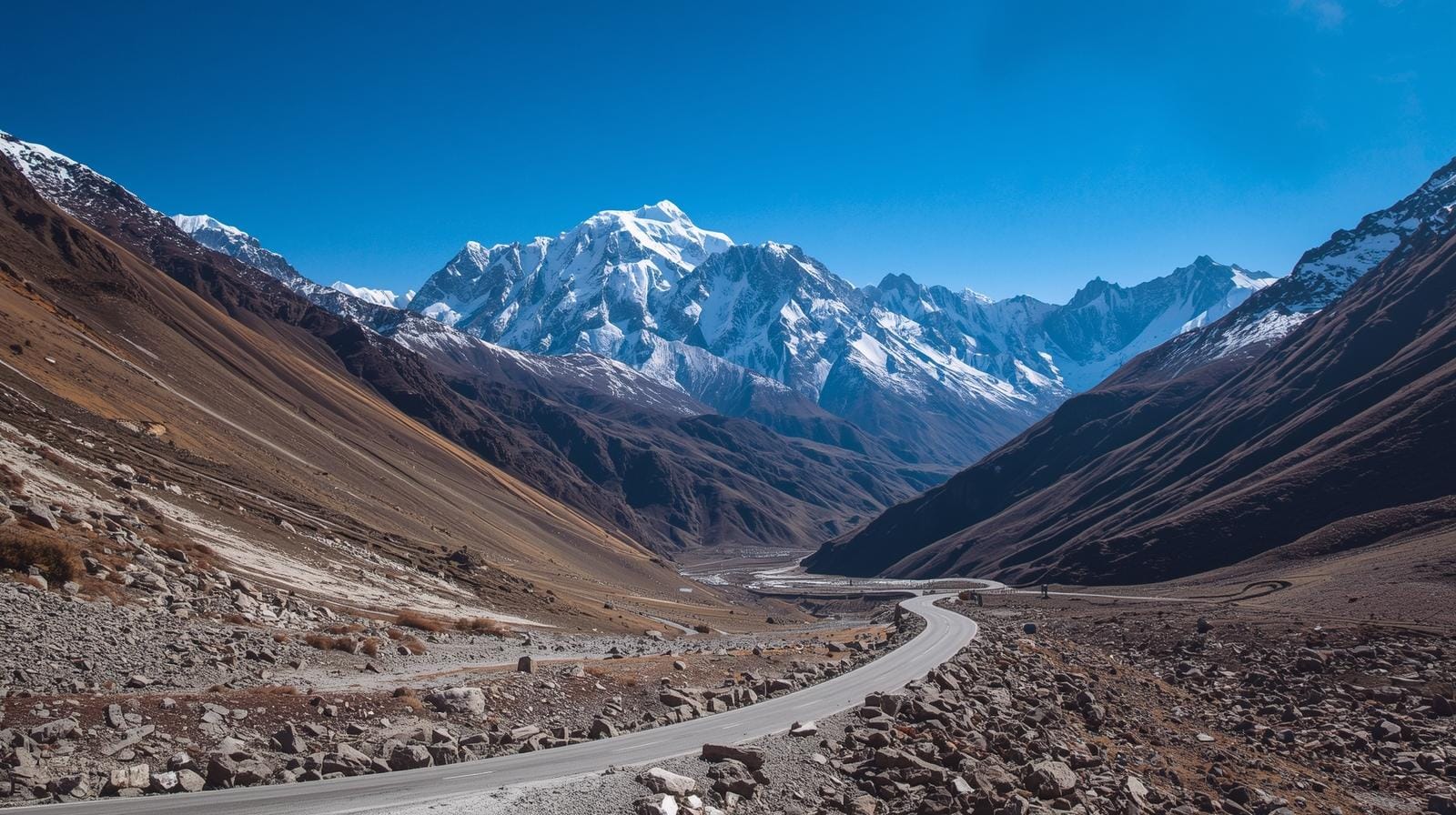
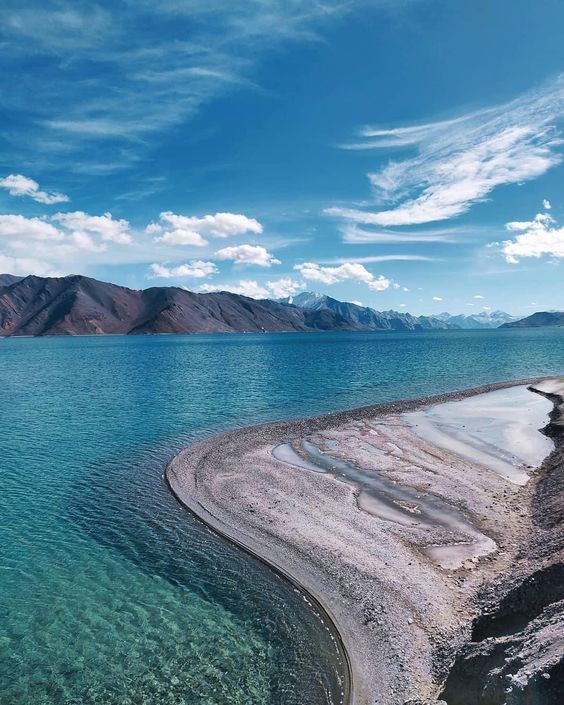
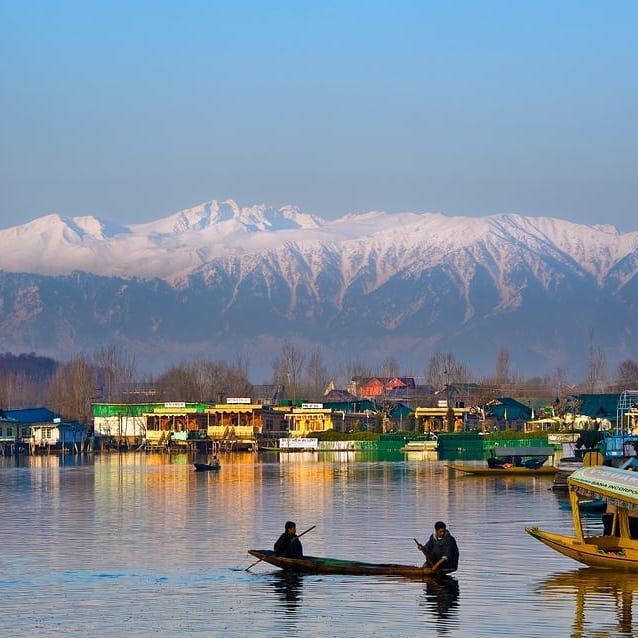
Most of our work runs into the hills — Shimla, Manali, Kinnaur, Spiti, the Char Dham roads and the Kashmir valley. A city-taxi safety checklist does not cover any of what actually goes wrong up there, so these are the standing rules for hill assignments.

Drivers are route-qualified, not just licensed
Shimla, Manali, Kinnaur, Spiti, the Char Dham roads and the Kashmir valley are assigned to drivers who have driven them before. Gradient, blind hairpins, and knowing where the road narrows are learned, not read.
Descents are driven in gear, not on the brakes
Continuous braking on a long descent overheats the system and causes brake fade — the single most common cause of hill accidents involving hired vehicles. Engine braking is standard practice, not a preference.
Vehicles are checked before the route, not after
Brakes, tyres including the spare, coolant and lights are inspected before a hill assignment specifically. A vehicle that is fine for Delhi–Agra is not automatically fine for Rohtang.
Night driving on hill roads is avoided
Mountain roads after dark combine poor visibility, unlit edges and oncoming traffic on blind bends. Schedules are planned so the hill section is driven in daylight wherever the itinerary allows.
Weather and closure information is checked that morning
High passes, landslide-prone sections and snow closures change daily. The route is confirmed on the day rather than assumed from the booking.
Altitude is treated as a real constraint
On Ladakh and Spiti itineraries, gaining height too fast is a genuine medical risk. Day one is deliberately light, and a driver who sees symptoms descends rather than continuing.
Travelling alone, and travelling at night
For women travelling alone
- Driver name, number and vehicle registration sent before pickup.
- Live trip sharing to a family member from your own phone.
- Dispatch actively monitors solo and night trips rather than only logging them.
- A driver who has driven you before can be requested, and is honoured where possible.
- You may end a trip at any point if you are uncomfortable, without justifying it and without being charged.
Night journeys
- Long night drives are planned with a rest stop rather than run straight through.
- Hill sections are kept in daylight wherever the itinerary allows.
- On multi-day trips the same driver stays with you, so nobody is driving a second shift unseen.
- The helpline is answered at any hour — not a voicemail or a callback queue.
If something goes wrong
The honest version, including the parts we cannot fix quickly.
The car has broken down
Call 7668570551. On a major corridor a replacement is usually arranged within a couple of hours. On a remote hill route it takes longer, and we will tell you how long rather than guess low. You are not asked to arrange your own onward transport, and you do not pay twice.
You are uncomfortable with the driver
End the trip and call the office. No justification required, no charge for a trip you ended because you felt unsafe. It goes on the driver's record, and a pattern removes them from the roster.
Something was left in the car
Call as soon as you notice. The vehicle and driver are identifiable from your booking, so recovery is usually straightforward — the difficulty is almost always the delay in telling us, not the search.
Breakdown, a concern about a driver, a lost phone, a change of plan at midnight — the same line.
Questions passengers ask
What checks are done on your drivers?
What documents can I ask the driver to show me?
How do I confirm the car that arrived is the car that was booked?
Is it safe for a woman to travel alone?
What makes a hill route different?
Are the vehicles tracked?
What happens if the car breaks down mid-journey?
What do I do if I am uncomfortable with the driver?
Is there a charge for a child seat?
Updated 2026-09-14.