Delhi to Manali in December, January or February is 530 km and twelve to thirteen hours on NH-44 and NH-21, and the road is open the whole way. What changes in those months is not the route but the vehicle and the conditions it has to handle. This page is about that half of it: tyres and chains, what a driver checks before the climb, where the fuel stops are, and how the Atal Tunnel fits into a winter day. What the corridor itself is like stretch by stretch is covered in Manali in winter by road.
Which Vehicle Actually Goes
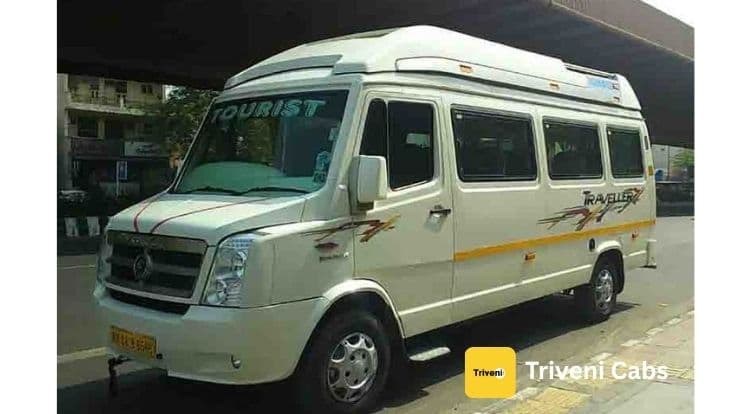
An SUV or an Innova Crysta. Every Manali page on this site recommends one for the hill road in any season, and in winter our drivers prefer it without argument - for the ground clearance on a bend that has snow pushed to the side of it, and for the grip on the climb above the town to Solang. On the published rate card the 530 km bills its distance: a sedan is ₹5,830 at ₹11/km, an Ertiga or SUV ₹7,950 at ₹15/km, an Innova Crysta ₹9,540 at ₹18/km and a 12-seater Tempo Traveller ₹12,190 at ₹23/km, on a 300 km per day minimum, with tolls, parking and the driver's night halt at actual.
A sedan will reach Manali perfectly well on a clear winter day, and thousands do. The case for the larger car is the day that is not clear: a fresh fall on the last stretch, a bend where the cleared width has narrowed to one lane, the run up to Solang where the snow starts below the road-head. That is also why we do not put self-drive customers on this route in these months. Every winter booking here is chauffeur-driven, with a driver who has done the corridor before.
Tyres, and Then Chains
Tyres do most of the work and chains do the last few kilometres of it. In that order:
- Tread. A worn tyre on a wet hill road is the problem before snow is even involved. Depth is checked against the wear indicators moulded into the tread, not by eye, and a tyre near them does not leave the yard in December.
- Pressure. Cold air is denser, so a tyre inflated on a Delhi afternoon reads lower at Mandi on a January morning. Drivers check it on the way up rather than only before departure, because an underinflated tyre steers badly on exactly the surface you want it to steer well on.
- Chains. They are a tool for a stretch, not for the journey. The car carries them from December; the driver fits them where fresh snow is actually lying on the road - usually the last climb into Manali after a fall, or the road up to Solang - and takes them off as soon as tarmac shows again, because running chains on bare road ruins both the chain and the surface.
- What chains do not do. They buy traction, not permission. Everything still happens slowly, in a low gear, with long gaps to the vehicle in front. A car with chains on ice is a car that is going to arrive, not a car that can be driven normally.
If you are booking rather than driving, the only thing to confirm is that the vehicle carries chains for a December to February trip and that the driver has fitted them before. That question, asked once, is worth more than any specification.
What a Driver Checks Before the Climb
The hill road starts after Bilaspur, and the sensible place to run through the car is Mandi or Kullu, over the lunch halt, before the last stretch. Our drivers work down a short list:
- Coolant and antifreeze - the one that matters most overnight, because a car parked in Manali at minus five needs the coolant mix to be right before morning, not after
- Battery - cold is what finds a tired battery, and it finds it at six in the morning in a hotel car park
- Tyre pressure and tread, rechecked in the hills rather than assumed from Delhi
- Wipers and washer fluid - road spray in the gorge is constant and a smeared screen at dusk is a real hazard
- Lights, front and rear fog lamps - the plains section is where these earn their keep, not the hills
- Brakes, after the long descents through the Beas gorge and the Pandoh stretch
- Fuel, topped up at the last convenient town rather than the last possible one
- Chains on board, and a working torch, a blanket and drinking water in the car
Fuel and the Stops
Fuel is inside the fare on a chauffeur-driven booking, so this is about where the car stops rather than what it costs you - for reference, our Delhi to Manali route page estimates roughly ₹3,786 of fuel one-way for a self-driven car at about 14 km to the litre, which is the number people compare against.
The route runs Delhi to Karnal to Chandigarh to Bilaspur to Mandi to Kullu to Manali, and those towns are the stops. Murthal, 40 km out of Delhi, is the traditional breakfast halt on our route notes. Chandigarh at 250 km is where the plains end. Bilaspur, where the last toll plaza on the corridor sits at about 340 km, is the point by which the road has climbed clear of the fog. Sundernagar and Mandi come next - Mandi is the lunch halt and the last substantial town before the Beas gorge - and Kullu is the last one before the orchard road up to Manali. Filling at Mandi or Kullu rather than pushing on is the winter habit, because a queue at a pump in the dark at the end of a thirteen-hour day is avoidable and a detour back down the valley is not.
The four toll plazas on the corridor take ₹455 from a car and ₹735 from an SUV in total - ₹165 at Panipat, ₹130 at Karnal, ₹95 at Ambala and ₹65 at Bilaspur - all on FASTag, and there are no tolls after Bilaspur. Our driver pays them and they appear at actual on the bill.
The Atal Tunnel, as a Sequence
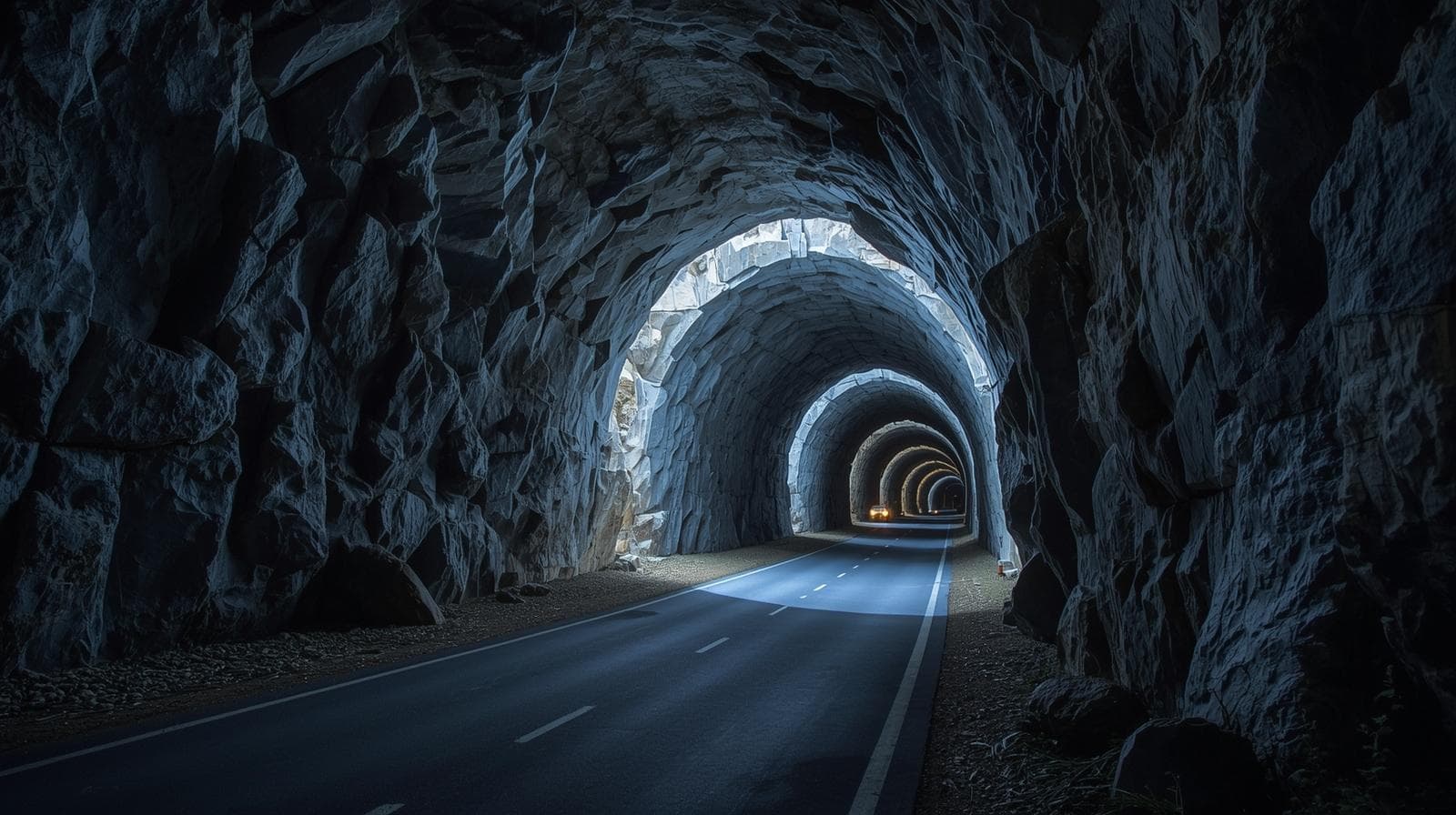
The tunnel is what makes a winter Manali trip work, and it is worth understanding as an order of events rather than a fact:
- 1. The road leaves Manali and climbs past Solang towards the south portal, under the Rohtang ridge.
- 2. The tunnel takes the road under the mountain into Lahaul. It is open in every month and needs no permit - which is the whole difference from the pass it replaced.
- 3. You come out at Sissu, on the Lahaul side, which is often under snow when Manali town is clear. This is the winter snow run that Rohtang used to be.
- 4. In heavy snowfall it shuts for clearing - a few hours at a time, usually early in the morning. That is why drivers plan the tunnel run for the middle of the day rather than at first light.
- 5. There is no timetable to quote. Closures follow the snow, not a calendar. Ask the driver on the morning; the tunnel's status is local news in Manali and everyone at the hotel desk knows it.
Rohtang Pass itself is closed by snow from December to April in a normal year - our route data gives it a May to October season - so it is not part of a winter plan and nothing is lost by that. Solang and the tunnel are the snow day.
When the Conditions Say Stop
A fresh fall can hold the last stretch into Manali for a morning until it is cleared, and the shaded bends between Mandi and Kullu ice over early and thaw by midday. Neither is an emergency; both are reasons to have a spare day and a driver who is allowed to use it. The rule our drivers work to is simple: the hill road is driven in daylight, and if the weather has turned, the night is spent at Mandi or Kullu and the climb is done the next morning. An itinerary that cannot absorb one night in the wrong town is an itinerary that will push a car onto a road it should not be on.
On the plains the equivalent is fog. From December into January the Haryana and Punjab stretch of NH-44 fogs over in the early hours, and the response is to slow down, not to stop on the shoulder. A later departure that crosses the plain as the fog thins is very often the quicker journey overall.
What to Ask When You Book a Winter Manali Cab
- Has this driver done Delhi to Manali in winter before?
- Does the vehicle carry chains for a December to February trip?
- When was the car last serviced, and has the coolant mix been checked for the cold?
- Is the plan built around daylight on the hill road, and what happens if a fall holds it?
- Is the fare the rate card on 530 km, with tolls, parking and the night halt at actual?
We answer all five the same way every time, and the Delhi to Manali cab page carries the current fares for each vehicle.
Frequently Asked Questions
Is Delhi to Manali safe by cab in December?
Yes. The highway is open all winter. The plain fogs in the early morning, the hill bends between Mandi and Kullu ice until midday, and a fresh fall can hold the last stretch for a morning. The car carries chains from December and the driver keeps the hill road to daylight.
Which vehicle should I book for Manali in winter?
An SUV or an Innova Crysta. Our Manali pages recommend one for the hill road in any season, and in winter it is the clearance and the grip on the Solang climb that make the difference. A 12-seater Tempo Traveller carries groups of eight to twelve.
When are snow chains actually fitted?
Where fresh snow is lying on the road - usually the last climb into Manali after a fall, or the road up to Solang. They come off as soon as tarmac shows. They are a tool for a few kilometres, not for the drive.
Is the Atal Tunnel open in winter?
Yes, in every month, and no permit is needed. In heavy snowfall it closes for clearing a few hours at a time, usually early in the morning, so drivers plan the run through it for the middle of the day. Check on the morning rather than assuming a schedule.
Is Rohtang Pass open in winter?
No - it is closed by snow from December to April in a normal year. Solang Valley above Manali and Sissu through the Atal Tunnel are the winter snow runs, and neither needs a permit.
How much is a cab from Delhi to Manali in winter?
The same as any season: ₹5,830 for a sedan over 530 km, ₹7,950 for an Ertiga or SUV, ₹9,540 for an Innova Crysta and ₹12,190 for a 12-seater Tempo Traveller, plus ₹455 in tolls for a car and parking and the driver's night halt at actual.
Where are the fuel stops on the Delhi to Manali road?
The towns the route runs through - Karnal, Chandigarh, Bilaspur, Sundernagar, Mandi and Kullu. Drivers fill at Mandi or Kullu before the last climb rather than leaving it to the end of a thirteen-hour day.
Can I self-drive Delhi to Manali in winter?
We only run this route chauffeur-driven in December to February, with a driver who has done the corridor before. The skills that matter on a snowed bend are the ones built by repetition on that specific road.
Winter-Ready Manali Cab
Chauffeur-driven SUV or Innova Crysta, chains carried from December, the hill road planned for daylight.
Book Winter CabRead next: Manali in Winter by Road: What the Drive Is Like from December to February