Manali in winter is reached by the same road as Manali in summer, and the road is what changes. Delhi to Manali is 530 km and twelve to thirteen hours on NH-44 and NH-21 through Karnal, Chandigarh, Bilaspur, Mandi and Kullu, with four plazas totalling ₹455 for a car and no tolls after Bilaspur. From December to February the plains section fogs in the early morning, the hill road after Mandi ices on the shaded bends, and Manali gets its snow, which our best-time page says usually starts in December and is the reason people come. Rohtang is closed by snow in these months; the winter snow runs are Solang Valley and the Atal Tunnel to Sissu. The drivers carry chains, plan the hill section for daylight and leave a spare hour for the fog. On the rate card a sedan is ₹5,830 one-way and an Innova Crysta, the car the hill pages recommend, ₹9,540. Book on the Delhi to Manali cab page; the Manali cab page has the local runs.
How does the Delhi to Manali drive change in winter?
In three places, in order. The first is the plain: from December into January the Punjab and Haryana stretch of NH-44 fogs over in the early hours, worst between Ambala and Ludhiana on the Amritsar side and around Murthal and Karnal on this one, and a night run that is easy in October becomes a slow crawl on headlights. The second is the hill road after Mandi, where the shaded bends through the Beas gorge and up the Kullu valley ice over in the morning and thaw by midday. The third is Manali itself and the road above it, where the snow lies from December and a fresh fall can hold the last kilometres up for a morning until the road is cleared.
None of it stops the drive, and none of it is a reason not to go; it is the reason the winter drive is planned differently. The summer pattern is a pre-dawn start so that the hill section is done in daylight and the car is in Manali by evening. The winter pattern keeps the daylight rule and moves the start to suit the fog: leave Delhi so that the plain is crossed after the fog thins, reach the hill road with the ice gone from the bends, and accept that the car arrives after dark rather than before it, on a road the driver knows.
The winter drive, stop by stop
| Stretch | Summer | December to February |
|---|---|---|
| Delhi to Chandigarh, 250 km on NH-44 | Fast four-lane; Murthal for breakfast, three plazas at Panipat ₹165, Karnal ₹130 and Ambala ₹95 | Fog in the early hours, thick until mid-morning on the worst days; the drivers slow rather than stop, and a later start is often the quicker one |
| Chandigarh to Bilaspur, to 330 km | NH-21 leaves the plain at Kiratpur and climbs to the Gobind Sagar reservoir; the last plaza at Bilaspur, ₹65 | Clear of the fog once the road climbs; cold and dry |
| Bilaspur to Mandi, to 420 km | Sundernagar and the canal road; lunch at Mandi | The same; the lunch halt is the last warm stop before the gorge |
| Mandi to Kullu, to 480 km | The Beas gorge, the Pandoh dam, the tunnels and Aut; the monsoon slide zone | Ice on the shaded bends in the morning; dry by midday; the driver takes them gently |
| Kullu to Manali, to 530 km | The orchard road through Patlikuhal; weekend crowds | Snow on the road after a fall until it is cleared; chains if the driver judges them needed; arrive in daylight if the fog allowed it |
Distances, the stops and the tolls are from our Delhi to Manali distance and toll pages and the Week 39 road-trip post; the winter column is what our drivers and the corridor's road notes say the months do.
Chains, the tunnel and the snow runs: how they work
- Chains. The car carries them from December; the driver fits them where fresh snow lies on the road, usually on the last stretch into Manali or on the road up to Solang, and takes them off when the tarmac shows again. They are a tool for a few kilometres, not for the drive.
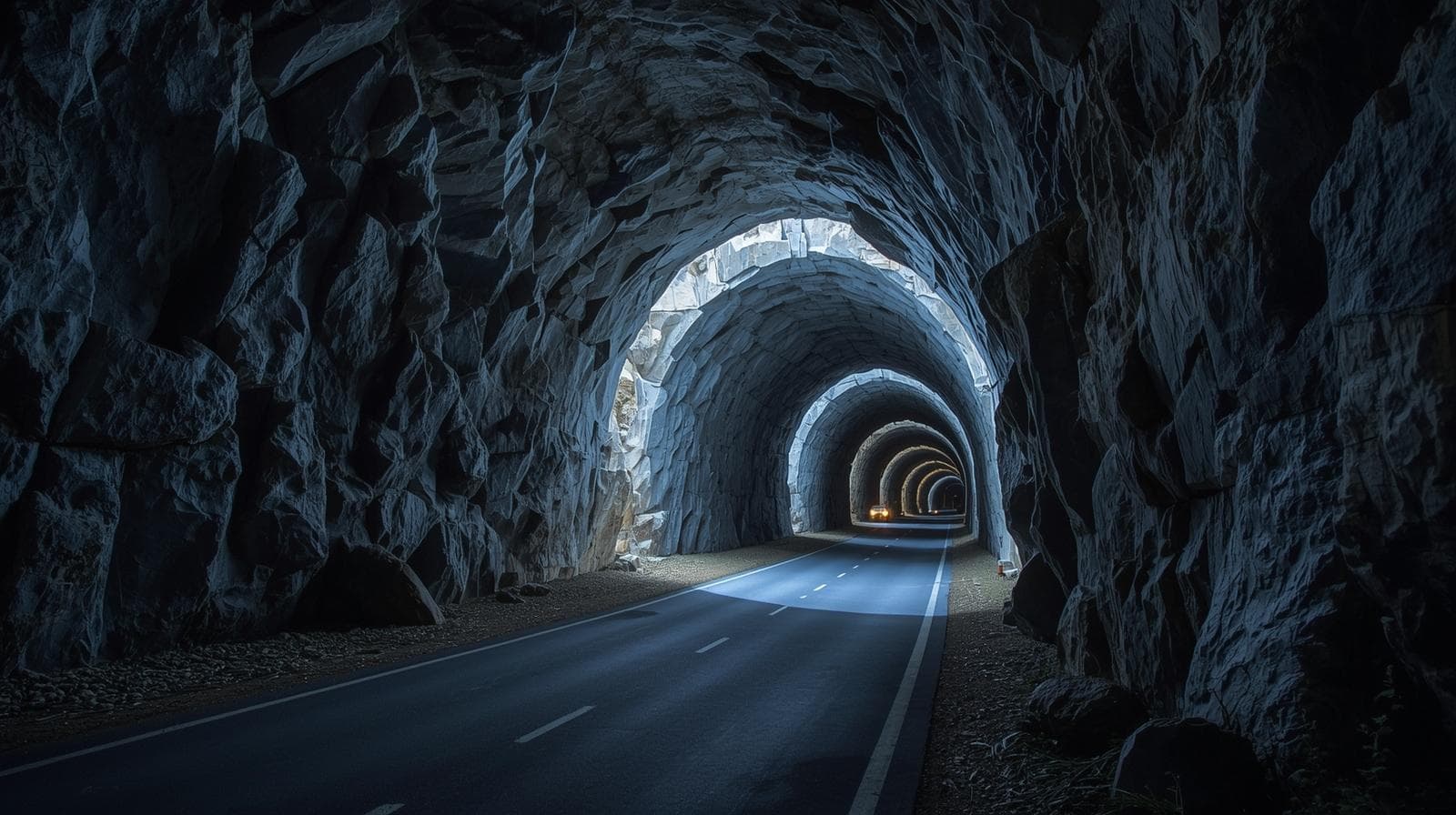
- The Atal Tunnel. Open in every month, it takes the road out of Manali under the mountain into Lahaul with no permit; in heavy snowfall it shuts for a few hours of clearing at a time, usually early in the morning, so the drivers plan the tunnel run for the middle of the day.
- Rohtang. Closed by snow from December to April in a normal year; the winter snow day does not include it, and no permit is needed for what replaces it.
- Solang Valley. A short run above the town, and in winter a snow-sports ground: skiing, snowboarding and sledding on the slopes, with the ropeway running in season. Snow gear is hired at Solang, not carried from Delhi.
- Sissu and the Lahaul side. Through the tunnel, often under snow when Manali is not; the day's fallback when the town is clear and the reason the tunnel matters in winter.
Snow in Manali is usual from December, in the words of our best-time page, and not guaranteed on a date. The week's forecast decides whether the snow day is Solang, the tunnel, or the town itself after a fresh fall; the driver watches it and the plan follows.
Should I split the drive at Shimla or Chandigarh in winter?
It is worth considering, for the fog more than the snow. A night at Chandigarh puts the whole plains section behind you on day one and starts the hill road in the morning light of day two; a night at Shimla turns the trip into the classic winter circuit, Shimla for the Ridge and Kufri's snow, then the 250 km to Manali on NH-3 through Bilaspur and Mandi, which is seven to eight hours and its own winter drive, with the shaded bends near Shimla icing in the morning and a later start the rule. The Shimla to Manali road guide takes that leg stop by stop. Either split costs an extra day at the 300 km minimum for the vehicle and the driver's night halt at actuals, and buys a hill road driven fresh rather than at the end of thirteen hours.
What does a winter cab to Manali cost?
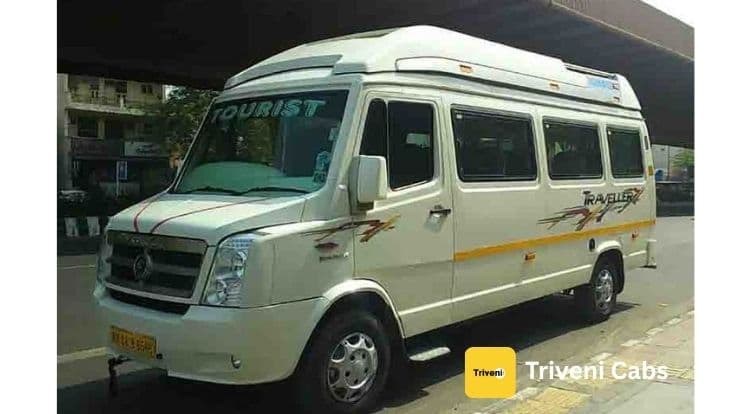
The rate card does not change for the season. The 530 km one-way bills its distance: ₹5,830 for a sedan at ₹11/km, ₹7,950 for an Ertiga or SUV at ₹15, ₹9,540 for an Innova Crysta at ₹18 and ₹12,190 for a 12-seater Tempo Traveller at ₹23. Tolls are ₹455 for a car across the four plazas, paid on FASTag at actuals along with parking and the driver's night halt. A three-day round trip with the car staying in Manali bills the greater of twice the one-way fare or three days at the minimum, and on this corridor it is the distance that counts. Our Manali pages recommend an SUV or Innova for the hill road in any season; in winter the drivers prefer it without argument, for the clearance on a snowed bend and the grip on the climb to Solang.
What to carry, and what to expect
- Heavy woollens and proper footwear; our best-time page says so for Manali in winter, and the car is warm but the town is not.
- A spare day. A fresh fall can hold the road for a morning, and the trips that go wrong in winter are the ones with a flight to catch.
- Patience on the plain. The fog is the slowest part of the winter drive and the least dangerous if the driver is allowed to crawl.
- No plan for Rohtang. The winter snow day is Solang and the tunnel, and they are enough.
Frequently Asked Questions
Is the Delhi to Manali road open in winter?
Yes. The highway is open all winter; the plain fogs in the early morning, the hill bends ice until midday, and a fresh fall can hold the last stretch for a morning until it is cleared. The drivers carry chains and keep the hill road to daylight.
Where do I see snow in Manali in winter?
In the town itself after a fall, at Solang Valley above it, and through the Atal Tunnel at Sissu on the Lahaul side. Rohtang is closed from December to April.
How much is a cab from Delhi to Manali in winter?
The same as any season: ₹5,830 one-way for a sedan, ₹7,950 for an Ertiga, ₹9,540 for an Innova Crysta and ₹12,190 for a Tempo Traveller, plus ₹455 in tolls for a car and parking at actuals.
Read next: Delhi to Manali in Winter: Snow Chains, Fuel, Closures, Route Conditions