
Jaisalmer Travel Guide
The Golden City -- Rajasthan's last frontier where a living fort rises from the Thar Desert, sand dunes stretch to the horizon, and ancient havelis whisper tales of Silk Road traders.
Planning a Jaisalmer trip?
Jaisalmer is best visited from October to March, with November to February ideal at 10-25 degrees for desert exploration. Three days covers Jaisalmer Fort, Patwon Ki Haveli and Gadsisar Lake, a Sam Sand Dunes safari with an overnight camp, then Kuldhara, Bada Bagh and the Desert National Park. Delhi is 780 km away, about 12 hours by road on NH15, and Jodhpur is 285 km.
- Best time
- Oct to Mar
- Ideal duration
- 3 days
- Top sight
- Jaisalmer Fort
- Cab from Delhi
- 780 km · ₹11/km
Table of Contents
Your chapter-by-chapter guide to the Golden City
Welcome to the Golden City
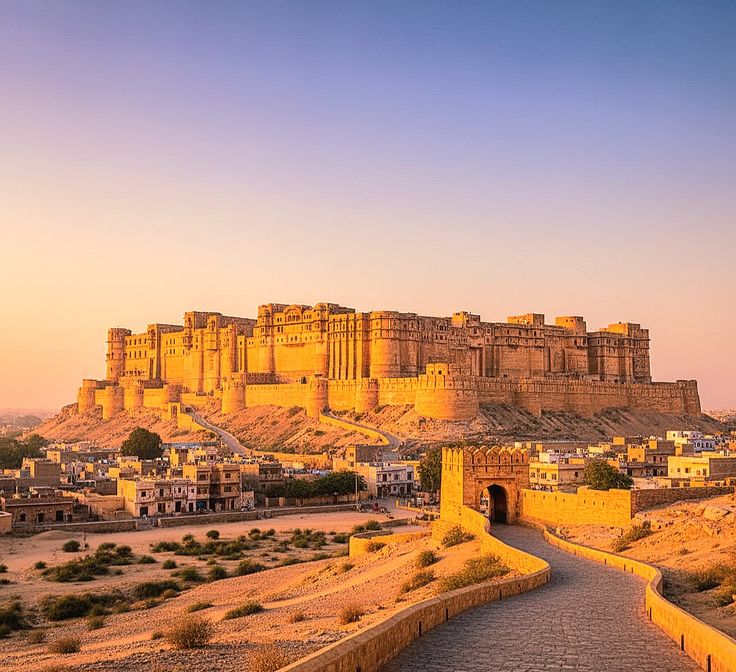
Jaisalmer, the Golden City of India, rises from the vast Thar Desert like a magnificent sandcastle frozen in time. Founded in 1156 AD by Rawal Jaisal, a Bhati Rajput king, this frontier city was once a vital halt on the ancient Silk Road connecting India to Central Asia and beyond. The magnificent Jaisalmer Fort -- Sonar Quila, the Golden Fort -- is one of the very few living forts in the world, still home to nearly 3,000 residents who live, work, and worship within its honey-coloured sandstone walls. The city's elaborate havelis, built by wealthy Jain merchants, showcase some of the finest stone carving in all of Rajasthan, with facades so intricate they resemble lacework. Beyond the city walls lies the vast Thar Desert, where Sam Sand Dunes offer camel safaris under star-filled skies, the abandoned ghost village of Kuldhara holds centuries-old mysteries, and the Desert National Park protects the endangered Great Indian Bustard. Jaisalmer is Rajasthan at its most romantic and remote -- a place where golden sunsets paint the desert in shades of fire and ancient legends come alive.
Best Time to Visit Jaisalmer
Visual month-by-month guide -- taller bars mean better visiting conditions
Top Attractions in Jaisalmer
 01
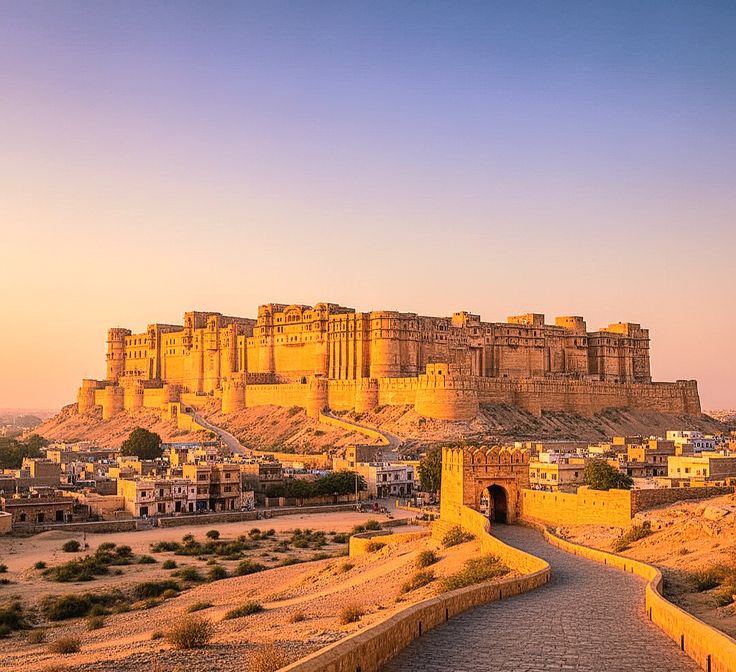
01Jaisalmer Fort (Sonar Quila)
One of the world's few living forts, built in 1156 AD by Rawal Jaisal. Made of golden-yellow sandstone that glows at sunset. Home to 3,000 residents, Jain temples, havelis, shops, and restaurants within its massive walls.
 02
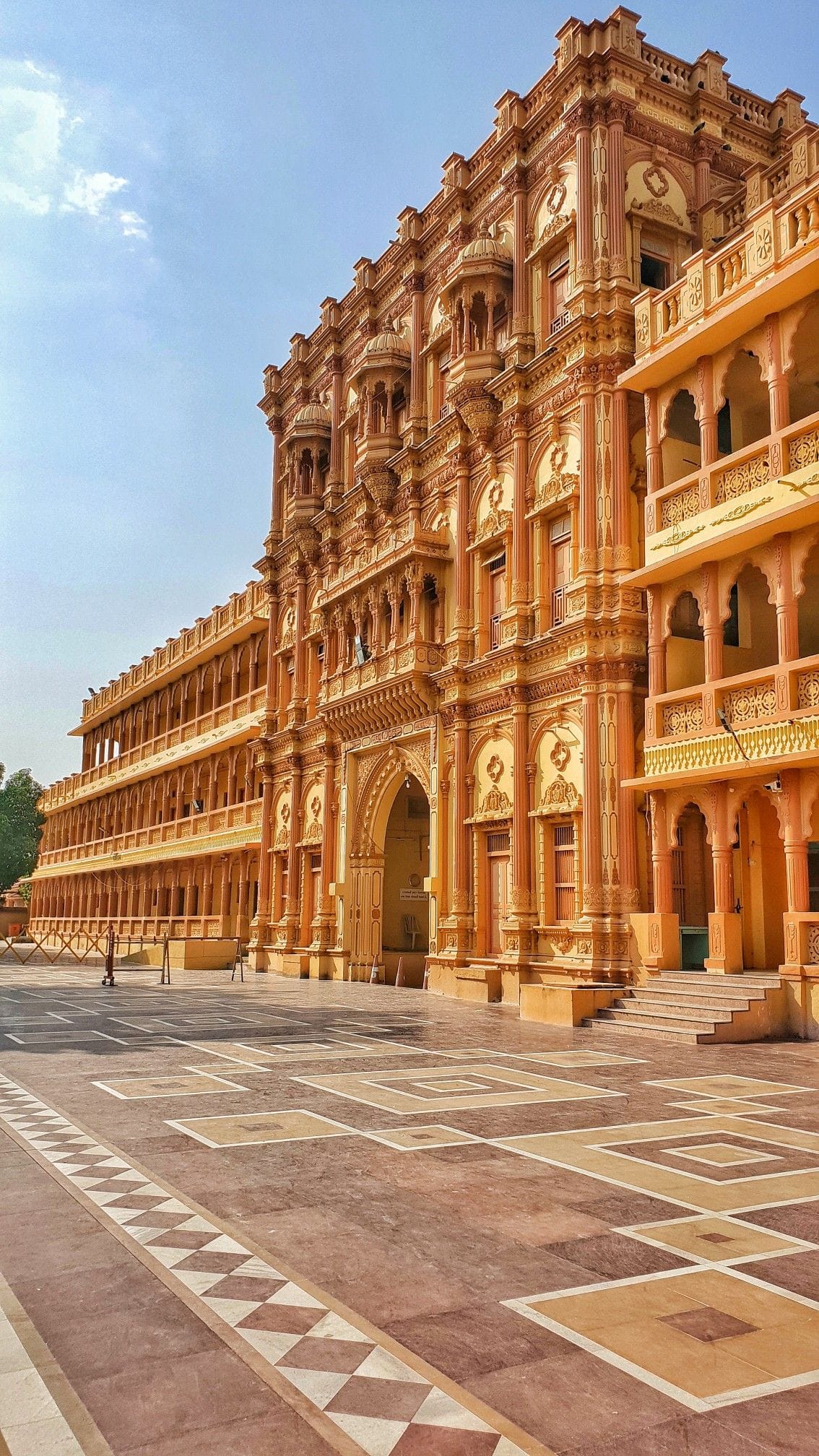
02Patwon Ki Haveli
The largest and most elaborate haveli in Jaisalmer. A cluster of five havelis built between 1805-1862 by wealthy Jain merchants. Intricate sandstone carvings, jharokhas (balconies), and mirror work that showcase Rajasthani craftsmanship at its finest.
 03
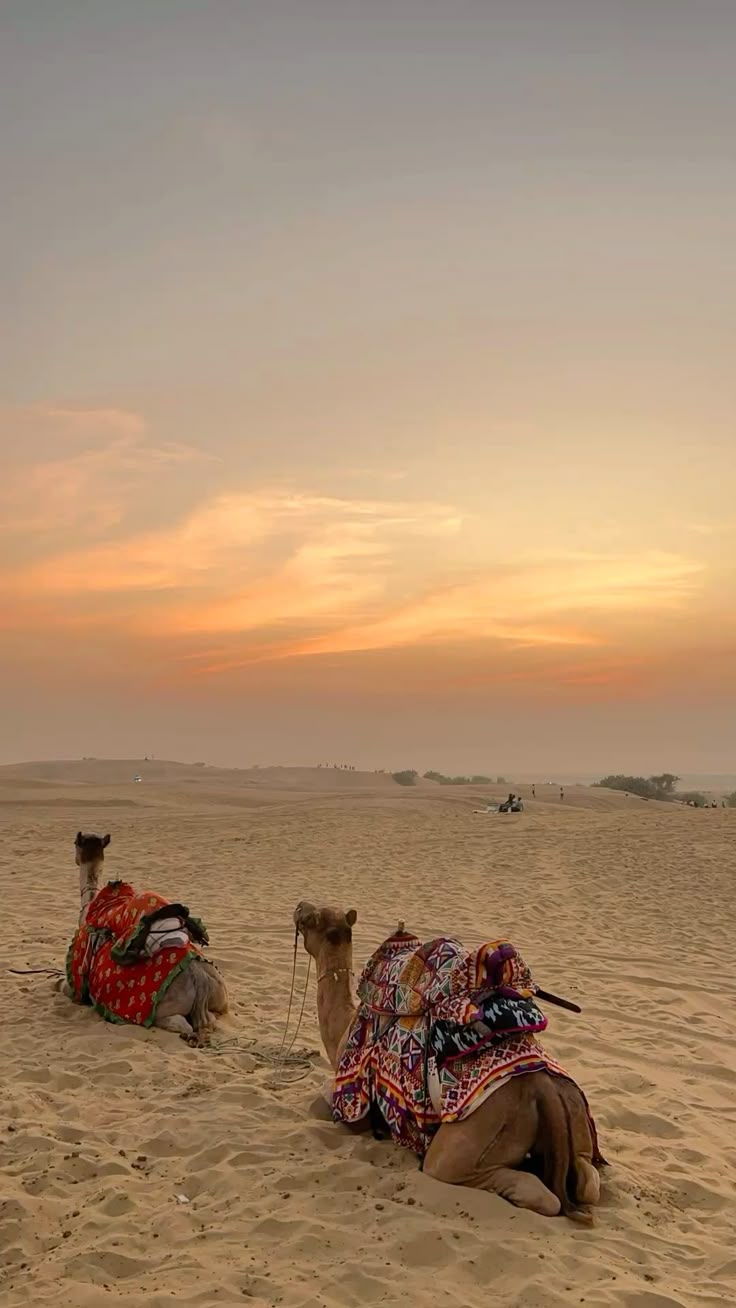
03Sam Sand Dunes
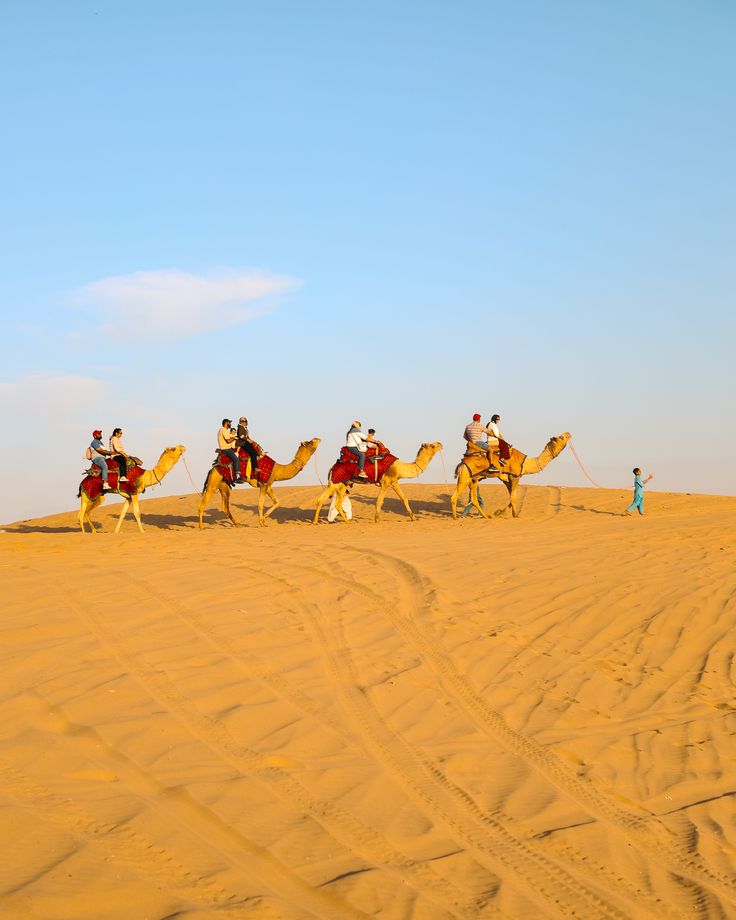
The iconic Thar Desert dunes 42 km from Jaisalmer. Camel safaris, jeep rides, quad biking, and cultural evenings with Rajasthani folk music and dance. Overnight desert camps from budget tents to luxury glamping.
 04
04Desert National Park
3,162 sq km sanctuary preserving the Thar Desert ecosystem. Home to the critically endangered Great Indian Bustard, desert fox, chinkara, and fossilised trees 180 million years old. A unique wildlife experience.
Kuldhara (Ghost Village)
Abandoned village deserted overnight in 1825 by Paliwal Brahmins fleeing a tyrannical minister. 170+ houses stand eerily intact. Considered haunted by locals. A fascinating and atmospheric historical site.
 06
06Gadsisar Lake
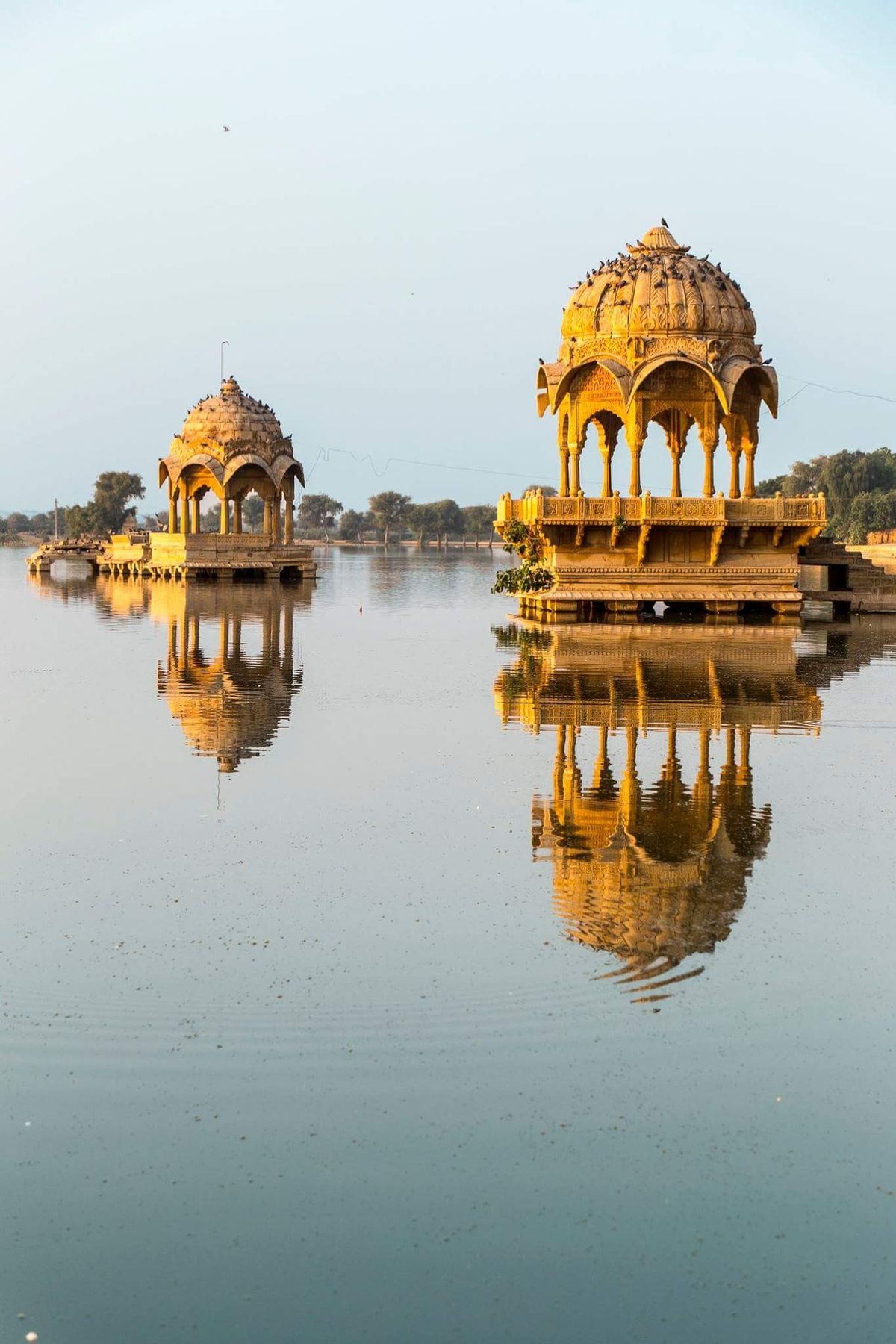
Artificial lake built by Maharawal Gadsi Singh in 1367 as the city's main water source. Surrounded by temples, ghats, and shrines. The ornate Tilon Ki Pol gateway is a masterpiece. Boating available in winter months.
Nathmal Ki Haveli
19th-century Prime Minister's residence built by two Muslim architect brothers simultaneously. Each half has unique carvings yet harmonizes perfectly. Elephants carved from single stones guard the entrance.
Bada Bagh
Royal cenotaphs (chhatris) of Jaisalmer's rulers set against barren desert hills. Beautifully carved sandstone memorials dating from the 16th century. Stunning at sunrise and sunset for photography.
Book Your Jaisalmer Trip
Clean, air-conditioned cars with professional drivers. Transparent per-km pricing, no hidden charges — pick the vehicle that fits your group.
 Best for couples
 Best for families
 Most comfortable
Jaisalmer Food Guide
Desert cuisine born from centuries of resourcefulness and Marwari ingenuity
Dal Bati Churma
The quintessential Rajasthani dish -- baked wheat balls (bati) served with spiced lentils (dal) and sweet crumbled wheat (churma). Cooked over desert wood fire for authentic smoky flavour.
Ker Sangri
A unique desert delicacy made from dried ker berries and sangri beans found only in the Thar Desert. Tangy, spicy, and utterly unique to this region. A must-try traditional dish.
Gatte Ki Sabzi
Gram flour dumplings simmered in a spiced yoghurt gravy. A staple of Marwari cuisine born from the desert's scarcity of fresh vegetables. Rich, creamy, and deeply satisfying.
Laal Maas
Fiery red mutton curry made with mathania chillies, a Rajasthani speciality. Not for the faint-hearted -- the heat builds with every bite. Best enjoyed with bajra roti.
Rooftop Fort Dining
Several restaurants inside Jaisalmer Fort offer rooftop dining with panoramic desert views. Enjoy traditional thalis as the golden fort glows in the evening light. A magical experience.
Desert Camp Dinner
Traditional Rajasthani feast under the stars at Sam Sand Dunes camps. Accompanied by Kalbelia folk dance, fire performers, and live Manganiyar music. An unforgettable cultural evening.
Shopping in Jaisalmer
Mirror Work & Embroidery
₹200 - ₹10,000Exquisite mirror work (shisha) embroidery on bedspreads, cushion covers, wall hangings, and clothing. Each piece handcrafted by local artisans. Sadar Bazaar and fort shops have the best collections.
Leather Goods
₹150 - ₹5,000Handcrafted camel leather mojaris (shoes), bags, journals, and belts. Jaisalmer's leather craft tradition dates back centuries. The fort market and Manak Chowk offer authentic pieces.
Patchwork Textiles
₹300 - ₹8,000Colourful patchwork quilts (ralli), bedsheets, and tapestries made from recycled fabric. Traditional Rajasthani patterns and vibrant desert colours. Lightweight and perfect for gifts.
Silver Jewellery
₹200 - ₹15,000Tribal and Rajasthani silver jewellery -- anklets, bangles, necklaces, and earrings with traditional desert motifs. Oxidised silver pieces are particularly popular. Bargain well in Sadar Bazaar.
Getting Around Jaisalmer
Triveni Cabs™ (Private Taxi)
RECOMMENDED₹2,500-4,000/day
AC car with driver. Essential for Sam Dunes (42 km), Kuldhara, and Desert National Park. Delhi-Jaisalmer one way from ₹10,000. Call 7668570551.
Auto-rickshaw
₹30-150/trip
Available in city for short distances. Good for fort to market trips. Negotiate fare before boarding. Limited availability after dark.
Jeep Safari
₹2,000-5,000/trip
For desert excursions to Sam Dunes and remote villages. Can be booked through our cab service for the best rates and reliable vehicles.
Camel Safari
₹500-3,000/trip
The traditional Thar Desert transport. Half-day to multi-day safaris available. Best booked as part of a desert camp package.
Where to Stay in Jaisalmer
Inside Jaisalmer Fort
₹1,000-8,000/nightThe most atmospheric stay in Rajasthan. Heritage havelis converted to boutique hotels. Rooftop views of the desert. Can be noisy in peak season. Walking access to Jain temples and fort attractions.
Hanuman Circle / Gandhi Chowk
₹500-4,000/nightCentral location with budget to mid-range hotels. Close to Patwon Ki Haveli and main markets. Good restaurants and shops nearby. 10-minute walk to the fort entrance.
Sam Sand Dunes Camps
₹1,500-15,000/nightDesert camp experience 42 km from city. Options from basic tents to luxury Swiss tents with AC. Includes camel rides, folk performances, and meals. Best for the complete desert experience.
Gadsisar Lake Road
₹1,500-6,000/nightPeaceful area near the lake with heritage hotels. Less crowded than the fort area. Beautiful lake views. 15-minute walk to the fort. Good mid-range to luxury options.
How far is Jaisalmer, and what does a cab cost?
Distances and drive times are the ones our road guides publish for each corridor. The fare is the published rate card for an AC sedan with a chauffeur — ₹11 a kilometre on a 300 km per day minimum, so any corridor shorter than that bills the minimum. Tolls and parking are extra at actuals.
| From | By road | Drive time | Road | Sedan, one way |
|---|---|---|---|---|
| Jodhpur | 285 km | 4-5 hours | NH-15 | ₹3,300 |
| Udaipur | 530 km | 8-9 hours | Jodhpur | ₹5,830 |
| Jaipur | 560 km | 8-9 hours | NH-62 via Jodhpur | ₹6,160 |
| Delhi | 780 km | 12-13 hours | NH-48 via Jaipur & Jodhpur | ₹8,580 |
Each corridor has its own page with the halts, the toll plazas and the other vehicles: Jodhpur to Jaisalmer, Udaipur to Jaisalmer, Jaipur to Jaisalmer, Delhi to Jaisalmer.
Frequently Asked Questions
Q1How many days do I need in Jaisalmer?
3 days is ideal. Day 1: Jaisalmer Fort, Patwon Ki Haveli, Nathmal Ki Haveli, Gadsisar Lake. Day 2: Sam Sand Dunes desert safari, camel ride, overnight camp. Day 3: Kuldhara ghost village, Bada Bagh, Desert National Park. Add a day for Tanot Mata Temple or Longewala border.
Q2What is the best time to visit Jaisalmer?
October to March is best. November to February is ideal with pleasant 10-25 degree weather perfect for desert exploration. The Desert Festival in February is spectacular. April to June is extremely hot (45+ degrees) and should be avoided. Monsoon (July-September) brings occasional rain to the desert.
Q3How do I reach Jaisalmer from Delhi?
By train: Delhi-Jaisalmer Express (18 hrs). By car: 780 km, 12 hours via NH15. Our cab costs ₹10,000-14,000 one way. By flight: Jaisalmer airport has limited flights from Delhi and Jaipur. From Jodhpur: 285 km, 5 hours. We offer pickup from all locations.
Q4Is the Jaisalmer Fort a living fort?
Yes! Jaisalmer Fort (Sonar Quila) is one of the very few living forts in the world. About 3,000 people still live inside the fort. It has shops, hotels, restaurants, and Jain temples within its walls. Built in 1156 AD by Rawal Jaisal, it rises from the Thar Desert like a golden mirage.
Q5What is the Sam Sand Dunes experience like?
Sam Sand Dunes is 42 km from Jaisalmer city. Activities include camel safari, jeep safari, quad biking, and cultural folk performances. Overnight desert camps range from basic to luxury. Sunset and sunrise views over the dunes are magical. Book through Triveni Cabs™ for hassle-free transport.
Q6What food is Jaisalmer famous for?
Jaisalmer is known for Dal Bati Churma (Rajasthani staple), Ker Sangri (desert beans and berries), Gatte Ki Sabzi, Papad Ki Sabzi, and Laal Maas (spicy mutton). Rooftop restaurants inside the fort offer stunning views with traditional Rajasthani thalis.
Q7What should I buy in Jaisalmer?
Jaisalmer is famous for mirror work embroidery, patchwork textiles, leather goods (mojaris and bags), silver jewellery, and camel leather products. Sadar Bazaar and the fort market are the best shopping spots. Bargaining is expected and encouraged.
Q8Is Jaisalmer safe for tourists?
Very safe. Jaisalmer is a small, friendly tourist town. The fort area and main markets are well-lit and busy. Solo travellers, including women, find it comfortable. For desert camps, book reputable operators. Standard travel precautions apply. Our drivers know every route in the region.
Explore More Destinations
Related guides and tour pages
Need Help Planning Your Jaisalmer Trip?
Golden Fort exploration, Sam Sand Dunes desert safari, and the complete Rajasthan experience -- we arrange it all.