
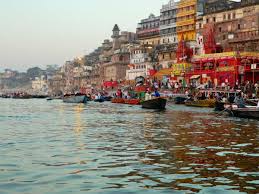
Varanasi Travel Guide
The spiritual heart of India -- ancient ghats, sacred temples, mesmerizing Ganga Aarti, and a culture that has thrived for over 5,000 years.
Planning a Varanasi trip?
Varanasi is best visited from October to March, when the weather stays a pleasant 10-25 degrees Celsius; November is ideal for the Dev Deepawali festival. Two to three days covers the evening Ganga Aarti and a ghats walk, Kashi Vishwanath Temple, a sunrise boat ride and Sarnath. Delhi is about 800 km by road (12 to 14 hours via Lucknow), with a 1.5 hour flight or the 8 hour Vande Bharat Express as faster options.
- Best time
- Oct to Mar
- Ideal duration
- 2 to 3 days
- Top sight
- Kashi Vishwanath
- Cab from Delhi
- 800 km · ₹11/km
Table of Contents
Your chapter-by-chapter guide to Varanasi
Welcome to Varanasi
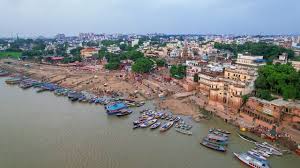
Varanasi, also known as Kashi or Banaras, is the spiritual capital of India and one of the world's oldest continuously inhabited cities. Situated on the banks of the sacred Ganga, this city has been a centre of learning, culture, and devotion for over 5,000 years. The 84 ghats that line the river are the city's soul -- each with its own story, ritual, and purpose. From the mesmerizing Ganga Aarti at Dashashwamedh Ghat to the ancient Kashi Vishwanath Temple, from the Buddhist pilgrimage site of Sarnath to the famous Banarasi silk looms, Varanasi offers an experience that transcends ordinary tourism. Mark Twain wrote that Varanasi is "older than history, older than tradition, older even than legend." Whether you seek spiritual awakening, cultural immersion, or simply wish to witness one of humanity's most enduring civilizations, Varanasi will leave an indelible mark on your soul. This guide covers everything from practical travel tips to hidden gems that only locals know.
Best Time to Visit Varanasi
Visual month-by-month guide -- taller bars mean better visiting conditions
Top Attractions in Varanasi
 01
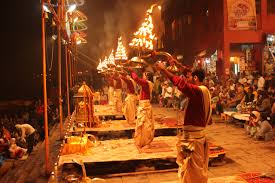
01Dashashwamedh Ghat
Varanasi's main ghat and the site of the spectacular Ganga Aarti every evening. One of the oldest and most vibrant ghats on the Ganges.
 02
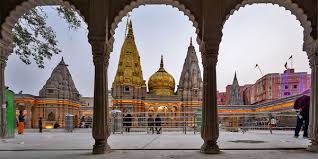
02Kashi Vishwanath Temple
One of the 12 Jyotirlingas, the holiest Shiva temple. The new Kashi Vishwanath Corridor connects it directly to the ghats. Gold-plated spire.
 03
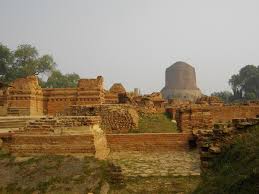
03Sarnath
Where Buddha gave his first sermon. Dhamek Stupa, Ashoka Pillar, archaeological museum with the Lion Capital. 10 km from Varanasi city.
 04
04Assi Ghat
Southernmost major ghat, popular with backpackers and students. Morning yoga sessions, boat rides, and a large Shiva lingam under a peepal tree.
Manikarnika Ghat
The main cremation ghat, considered the most sacred place to attain moksha. A profound spiritual experience. Photography is strictly prohibited.
Ramnagar Fort
18th-century fort across the Ganga. Houses the Maharaja of Banaras's museum with vintage cars, costumes, weapons, and ivory works.
BHU & Bharat Kala Bhavan
Banaras Hindu University campus is one of Asia's largest. Bharat Kala Bhavan museum has rare paintings, sculptures, and ancient artifacts.
Tulsi Manas Temple
Modern marble temple at the site where Tulsidas wrote Ramcharitmanas. Walls engraved with verses from the epic. Beautiful architecture.
Book Your Varanasi Trip
Clean, air-conditioned cars with professional drivers. Transparent per-km pricing, no hidden charges — pick the vehicle that fits your group.
 Best for couples
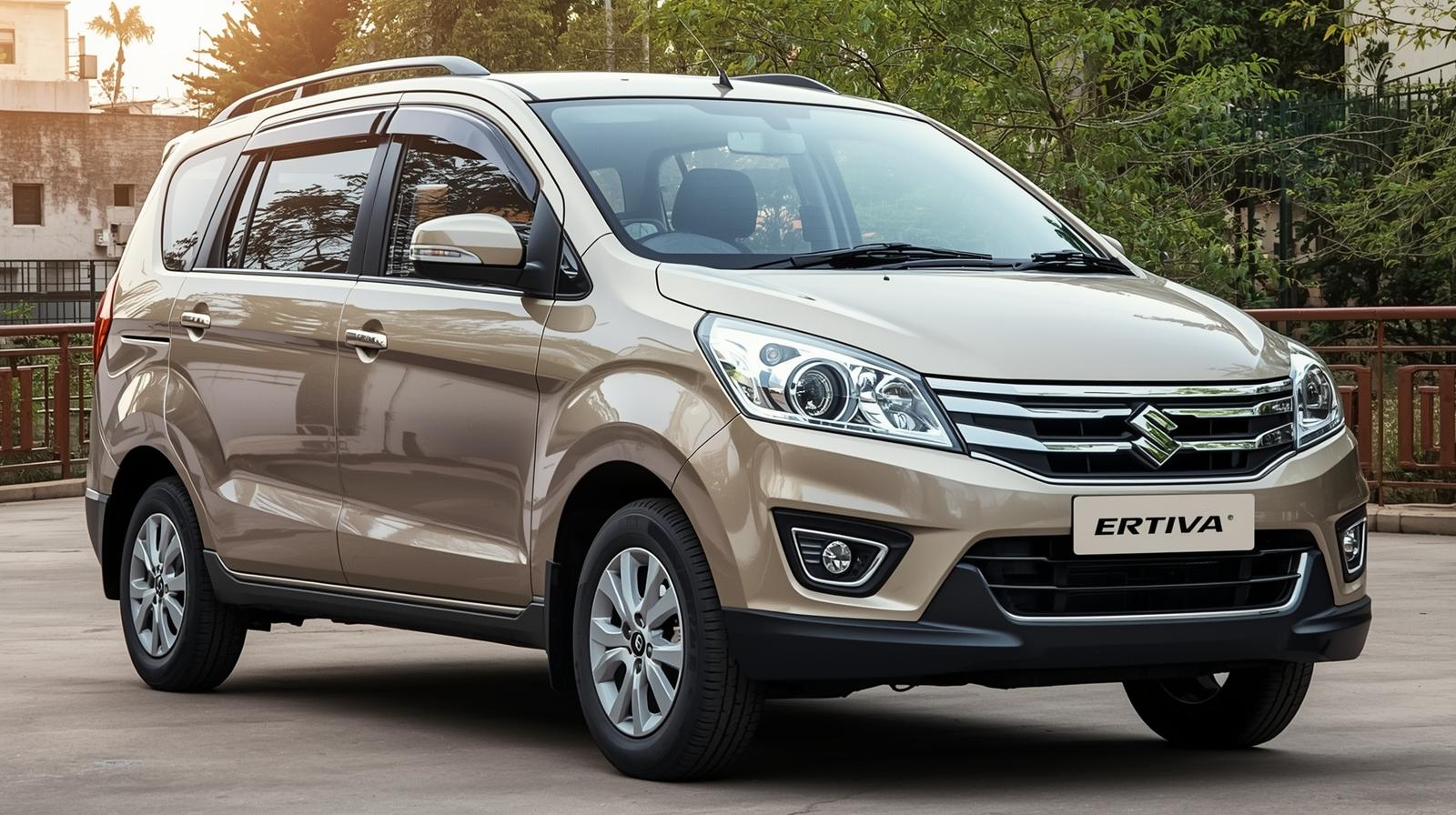 Best for families
 Most comfortable
Varanasi Food Guide
Ancient vegetarian culinary traditions and iconic street food
Banarasi Paan
The legendary betel leaf preparation. Sweet (meetha) or with tobacco (saada). Must-try at Keshav Tambul Bhandar near Dashashwamedh Ghat.
Kachori Sabzi
Crispy fried pastry with spiced potato curry and tangy chutney. The quintessential Varanasi breakfast. Try at Ram Bhandar (since 1920).
Malaiyo / Nimish
Ethereal winter-only delicacy -- whipped milk foam flavoured with saffron, served at dawn. Available November to February from street vendors.
Tamatar Chaat
Unique to Varanasi -- tangy tomato-based chaat with spices, garnished with sev. Found near Godowlia crossing and Vishwanath Gali.
Banarasi Lassi
Thick, creamy lassi served in earthen pots topped with malai (cream). Blue Lassi near Manikarnika Ghat is world-famous.
Thandai
Spiced milk drink with almonds, fennel, rose, and saffron. Available year-round but especially popular during Holi and Maha Shivaratri.
Shopping in Varanasi
Banarasi Silk Sarees
₹3,000 - ₹5,00,000World-renowned handloom sarees with gold and silver zari work. Visit the weaver colonies in Sarai Mohana or government emporiums for genuine pieces. Takes 15 days to 6 months to weave one saree.
Brass & Copperware
₹200 - ₹10,000Thatheri Bazaar is a UNESCO-recognized heritage lane of brass artisans. Lamps, utensils, religious items, and decorative pieces crafted using traditional techniques.
Wooden Toys & Lacquerware
₹100 - ₹3,000Traditional wooden toys, figurines, and lacquered items from the Ramnagar and Kandwa areas. Colourful and unique Varanasi souvenirs.
Rudraksha & Religious Items
₹200 - ₹15,000Prayer beads, religious idols, and spiritual accessories available near Vishwanath Temple. Ensure authenticity by buying from established shops.
Getting Around Varanasi
Triveni Cabs™ (Private Taxi)
RECOMMENDED₹1,800-3,000/day
AC car with driver for all sightseeing including Sarnath. Airport/station pickup available. Call 7668570551.
Auto-rickshaw
₹30-150/trip
Common for short trips. Negotiate fare before riding. Cannot enter narrow ghat lanes.
Cycle Rickshaw
₹20-50/trip
Best for navigating narrow old city lanes. Eco-friendly and atmospheric way to explore.
Boat Ride
₹200-1,500
Essential Varanasi experience. Shared or private boats for sunrise rides and evening Aarti viewing.
Where to Stay in Varanasi
Assi Ghat Area
₹500-3,000/nightMost popular with backpackers and long-stay travellers. Cafes, yoga studios, and a bohemian vibe. Close to BHU. Good budget to mid-range options.
Dashashwamedh / Godowlia
₹1,000-4,000/nightHeart of old Varanasi. Walking distance to main ghats and Kashi Vishwanath. Narrow lanes but most immersive experience.
Cantonment Area
₹1,500-6,000/nightModern Varanasi near the railway station. Clean, spacious hotels. Good for families. 20-30 min drive to ghats.
Sigra / Lanka
₹1,200-5,000/nightMid-range residential area between old city and Cantt. Good restaurants and shopping. Balanced location for sightseeing.
How far is Varanasi, and what does a cab cost?
Distances and drive times are the ones our road guides publish for each corridor. The fare is the published rate card for an AC sedan with a chauffeur — ₹11 a kilometre on a 300 km per day minimum, so any corridor shorter than that bills the minimum. Tolls and parking are extra at actuals.
| From | By road | Drive time | Road | Sedan, one way |
|---|---|---|---|---|
| Prayagraj | 125 km | 2.5-3 hours | NH-19 | ₹3,300 |
| Ayodhya | 200 km | 4-5 hours | NH-56 via Jaunpur | ₹3,300 |
| Gaya | 240 km | 5-6 hours | NH-19 & NH-2 via Sasaram | ₹3,300 |
| Bodh Gaya | 250 km | 5-6 hours | NH-2 via Sasaram | ₹3,300 |
| Lucknow | 300 km | 5-6 hours | Purvanchal Expressway / NH-56 | ₹3,300 |
| Agra | 600 km | 9-10 hours | Agra-Lucknow Expressway & NH | ₹6,600 |
| Delhi | 820 km | 12-14 hours | NH-19 (Grand Trunk Road) via Agra & Lucknow | ₹9,020 |
Each corridor has its own page with the halts, the toll plazas and the other vehicles: Prayagraj to Varanasi, Ayodhya to Varanasi, Gaya to Varanasi, Bodh Gaya to Varanasi.
Frequently Asked Questions
Q1How many days do I need in Varanasi?
2-3 days is ideal. Day 1: Ganga Aarti, ghats walk, Kashi Vishwanath Temple. Day 2: Sunrise boat ride, Sarnath, BHU campus. Day 3: Ramnagar Fort, silk weaving workshops, street food tour. Add a day for Chunar Fort or Vindhyachal trip.
Q2Is Varanasi safe for foreign tourists?
Yes, Varanasi is generally safe. The ghat areas are well-patrolled, especially during Aarti times. Standard precautions: watch for pickpockets in crowded lanes, avoid narrow alleys at night, and be cautious of self-appointed guides. Our drivers provide trusted local guidance.
Q3What is the best time to visit Varanasi?
October to March is best with pleasant weather (10-25 degrees Celsius). November is ideal for Dev Deepawali festival. Avoid April-June (extreme heat, 40-45 degrees). Monsoon (July-September) brings high Ganga water levels but fewer crowds. Winter mornings can be foggy.
Q4How do I reach Varanasi from Delhi?
By flight: 1.5 hours, multiple daily flights. By train: Vande Bharat Express (8 hrs), Kashi Vishwanath Express, or Mahamana Express. By car: 800 km, 12-14 hours via Lucknow. We offer airport and station pickup and local sightseeing packages.
Q5What is Ganga Aarti and where can I see it?
Ganga Aarti is a spectacular fire ritual performed every evening at Dashashwamedh Ghat. Seven priests perform synchronized worship with large brass lamps, incense, and chanting. Arrive by 6 PM (winter) or 6:30 PM (summer) for a good spot. Best viewed from a boat.
Q6What food is Varanasi famous for?
Varanasi is famous for Banarasi Paan, Kachori-Sabzi (breakfast), Tamatar Chaat, Malaiyo (winter milk foam sweet), Thandai (with bhang option during Holi), Banarasi Lassi, and street chaat. The city has a rich vegetarian food culture tied to its spiritual heritage.
Q7What should I buy in Varanasi?
Banarasi silk sarees (world-famous), wooden toys, brass items from Thatheri Bazaar (UNESCO heritage), Gulabi Minakari jewellery, and Rudraksha beads. Visit government emporiums or trusted weavers for genuine Banarasi silk.
Q8Can I take a boat ride on the Ganga?
Absolutely! Sunrise boat rides (5:30-7 AM) are magical. You can see cremation ghats, morning rituals, and the entire ghat panorama. Cost: 200-500 rupees per person (shared) or 800-1,500 for private boat. Evening Aarti boat rides also available.
Explore More About Varanasi
Related guides and tour pages from our collection
Need Help Planning Your Varanasi Trip?
We know Varanasi's ghats, temples, and hidden gems. Call us for personalized spiritual tourism advice.