
Kashmir Travel Guide
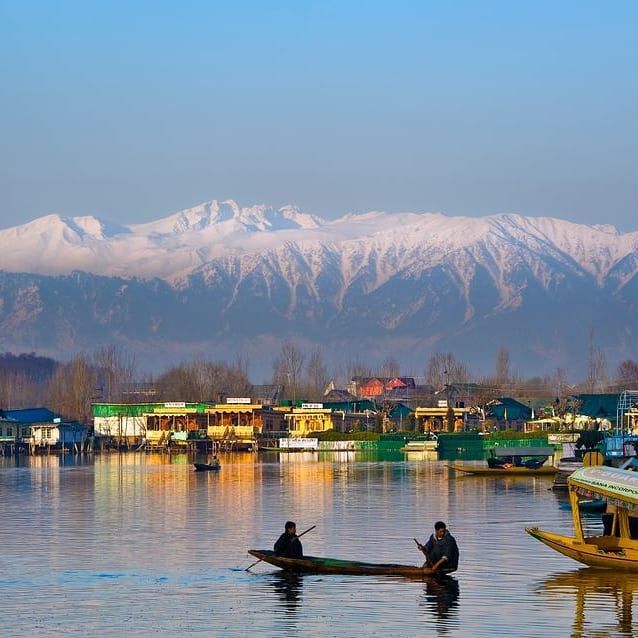
Paradise on Earth -- where Dal Lake mirrors snow-capped Himalayas, shikaras glide past floating gardens, and the Wazwan feast tells the story of a thousand years of culinary art.
Planning a Kashmir trip?
Kashmir's main season runs March to October, with spring tulips from March to May, 20-30 degree summers from June to August and golden chinar autumn in September and October; December to February is for snow and skiing at Gulmarg. Five to seven days covers Srinagar's Dal Lake and Mughal Gardens, the Gulmarg gondola, Pahalgam's valleys and Sonamarg. Delhi to Srinagar is a 1.5 hour flight, far more practical than the 850 km highway drive.
- Best time
- Mar to Oct
- Ideal duration
- 5 to 7 days
- Top sight
- Dal Lake
- From Delhi
- 1.5 hr flight
Table of Contents
Your chapter-by-chapter guide to Paradise on Earth
Welcome to Paradise on Earth
Kashmir, described by Mughal Emperor Jahangir as "Paradise on Earth," is a valley of such extraordinary beauty that it has inspired poets, painters, and travellers for centuries. Cradled by the Great Himalayas and the Pir Panjal Range, the Kashmir Valley stretches 135 kilometres long and 32 kilometres wide at an average altitude of 1,850 metres. At its heart lies Srinagar, the summer capital of Jammu and Kashmir, where the legendary Dal Lake reflects snow-capped peaks and ornate houseboats have hosted visitors since the British era. The Mughal emperors were so enchanted by Kashmir that they built magnificent terraced gardens along the lake -- Nishat, Shalimar, and Chashme Shahi stand as testaments to their love for this land. Beyond Srinagar, Gulmarg offers Asia's highest cable car and India's best skiing, while Pahalgam's alpine valleys and rushing rivers provide a more pastoral paradise. The legendary Wazwan cuisine, with its intricate multi-course feasts, is a culinary art form perfected over centuries. Pashmina shawls, hand-knotted carpets, and walnut wood carvings represent some of India's finest craftsmanship. From the tulip-carpeted springs to the snow-blanketed winters, from shikara rides at sunset to Kahwa by a kangri (fire pot), Kashmir offers experiences that exist nowhere else on Earth. It is not just a destination -- it is an emotion.
Best Time to Visit Kashmir
Visual month-by-month guide -- taller bars mean better visiting conditions
Top Attractions in Kashmir
 01
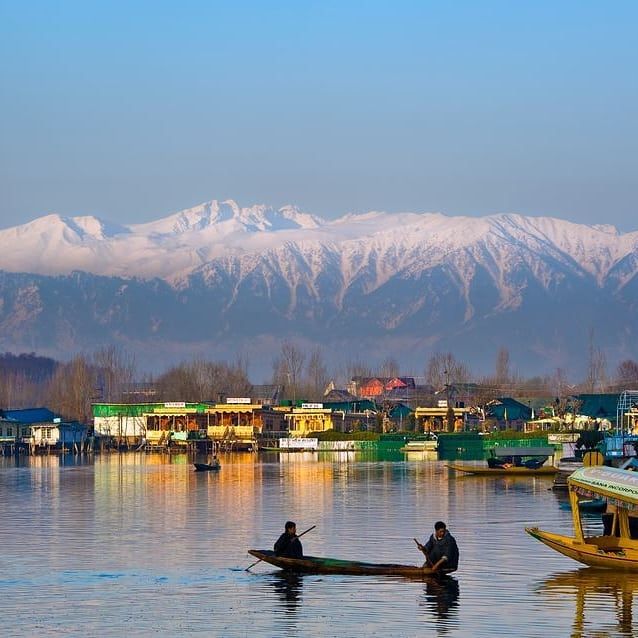
01Dal Lake & Shikara Rides
The crown jewel of Srinagar -- a 22 sq km lake surrounded by snow-capped mountains, lined with ornate houseboats and floating gardens. A shikara (traditional wooden boat) ride at sunset is one of India's most iconic experiences. The floating vegetable market at dawn and the lotus gardens in summer are magical sights found nowhere else.
 02
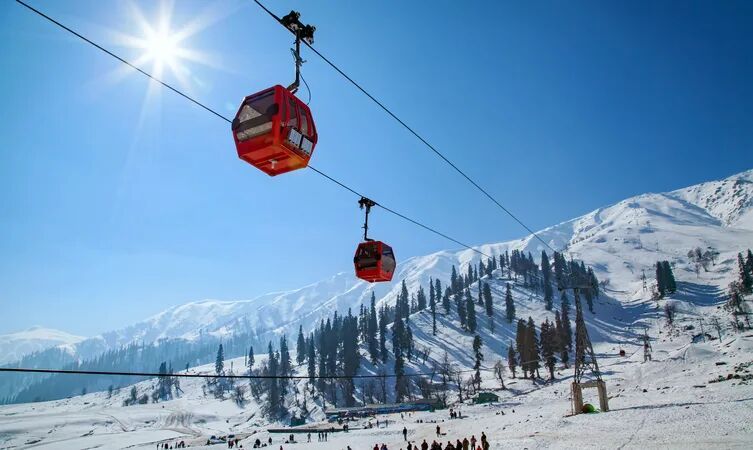
02Gulmarg (Meadow of Flowers)
A breathtaking hill station at 2,650 metres, famous for having Asia's highest and longest cable car -- the Gulmarg Gondola. In winter (December-February), it transforms into India's premier ski resort with powder snow. In summer, the meadows burst with wildflowers. The gondola's Phase 2 takes you to 3,980 metres at Apharwat Peak for stunning Himalayan panoramas.
 03
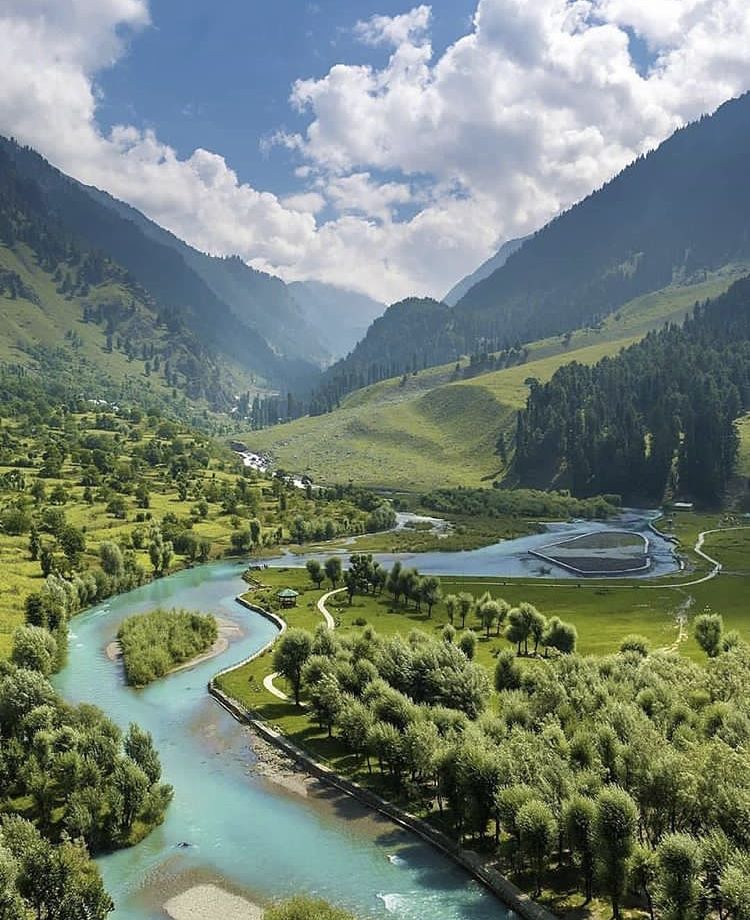
03Pahalgam (Valley of Shepherds)
A stunning valley town at 2,130 metres, serving as the base camp for the Amarnath Yatra pilgrimage. Surrounded by pine forests and snow-capped peaks, Pahalgam offers the idyllic Aru Valley (12 km), the dramatic Betaab Valley (named after a Bollywood film), and Chandanwari (the first stop on the Amarnath trek). The Lidder River running through town is perfect for trout fishing.
Mughal Gardens (Nishat, Shalimar, Chashme Shahi)
Three magnificent terraced gardens built by Mughal emperors on the banks of Dal Lake. Nishat Bagh (Garden of Joy, 1633) has 12 terraces with cascading fountains. Shalimar Bagh (Abode of Love, 1619) was Emperor Jahangir's gift to Empress Nur Jahan. Chashme Shahi (Royal Spring) has a natural spring of crystal-clear cold water believed to have medicinal properties.
Shankaracharya Temple
An ancient Hindu temple dedicated to Lord Shiva, perched at 1,000 feet above Srinagar on Shankaracharya Hill. Believed to date back to 200 BC, making it one of the oldest temples in Kashmir. The climb up 243 stone steps rewards visitors with breathtaking 360-degree views of Srinagar city, Dal Lake, and the surrounding Zabarwan mountains.
Sonamarg (Meadow of Gold)
A jaw-droppingly beautiful alpine valley at 2,800 metres, located 80 km from Srinagar on the road to Ladakh. The golden meadows surrounded by glaciers and towering snow-capped mountains fully justify its evocative name. This is the last major tourist stop before the Zoji La pass into Ladakh and serves as a base for the Thajiwas Glacier trek.
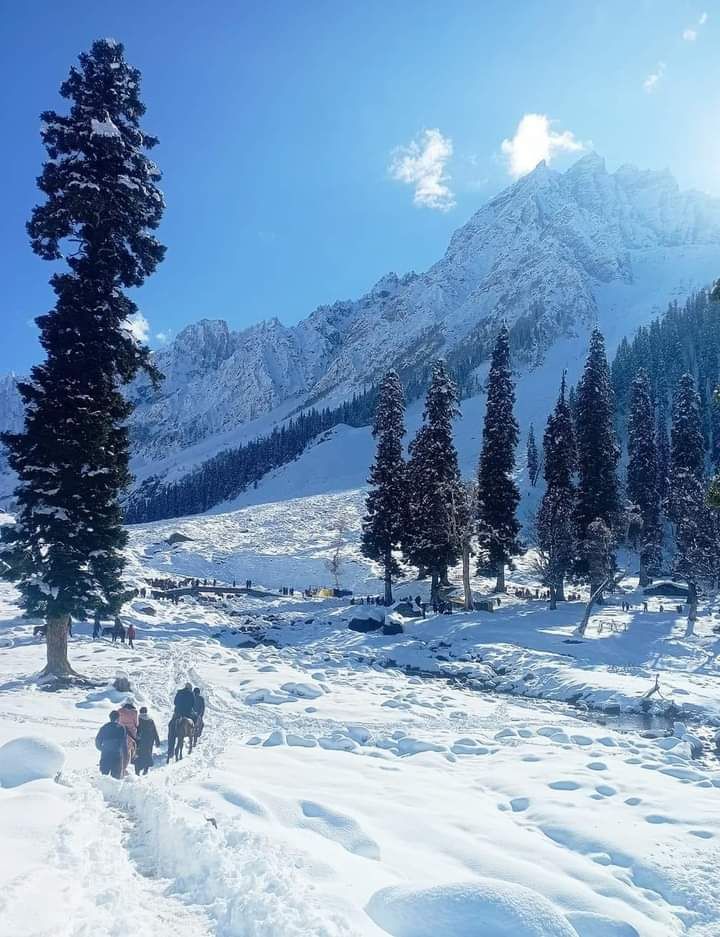 07
07Thajiwas Glacier
A spectacular glacier accessible via a 3 km trek or pony ride from Sonamarg. The trail passes through alpine meadows carpeted with wildflowers in summer. At the glacier face, you can touch actual glacial ice and snow even in the height of July. One of the most accessible and rewarding glacier experiences in all of India.
Old Srinagar City Walk
The atmospheric old quarter of Srinagar is a treasure trove of medieval mosques, traditional Kashmiri homes with ornate wooden balconies (pinjrakari), and bustling bazaars. Visit the Shah-e-Hamdan Mosque (1395), the grand Jamia Masjid (1394), and the vibrant spice, dry fruit, and copper markets. A guided walk reveals the authentic soul of Kashmiri life.
Book Your Kashmir Trip
Clean, air-conditioned cars with professional drivers. Transparent per-km pricing, no hidden charges — pick the vehicle that fits your group.
 Best for couples
 Best for families
 Most comfortable
Kashmir Food Guide
Wazwan feasts, Kahwa tea, and a cuisine perfected over a thousand years
Wazwan Feast
Kashmir's legendary multi-course feast with up to 36 dishes served on a large copper plate (trami). Traditionally served at weddings and celebrations, it includes Rista, Gushtaba, Tabak Maaz, and more. Several Srinagar restaurants now serve Wazwan for tourists -- a must-try culinary experience that represents centuries of Kashmiri culinary art.
Rogan Josh
Kashmir's most famous dish globally -- tender pieces of lamb slow-cooked in a rich gravy of Kashmiri red chillies, fennel, ginger, and aromatic spices. The deep crimson colour comes from ratanjot and Kashmiri chilli rather than intense heat. Every restaurant in Srinagar serves its own signature version of this iconic dish.
Dum Aloo Kashmiri
Baby potatoes slow-cooked in a rich yogurt and spice gravy with fennel, dry ginger, and Kashmiri chillies. Unlike the Punjabi version, Kashmiri Dum Aloo is milder and more aromatic with a distinctive fennel flavour. This is Kashmir's signature vegetarian dish that showcases the valley's unique spice palette.
Kahwa (Kashmiri Tea)
Kashmir's signature green tea infused with saffron, cardamom, cinnamon, and crushed almonds. Served in traditional samovars and small cups called khosa. Noon Chai (pink salt tea) made with milk and bicarbonate is another Kashmiri speciality. Both are warming and aromatic, perfect for cold mountain evenings.
Nadroo (Lotus Stem)
A uniquely Kashmiri delicacy -- lotus stems harvested from Dal Lake prepared as crispy fritters (Nadroo Monji) or in a rich yogurt gravy (Nadroo Yakhni). The crunchy texture and subtle earthy flavour make this a dish found nowhere else in India. Best enjoyed at traditional Kashmiri restaurants.
Gushtaba & Yakhni
Gushtaba is minced mutton pounded into perfectly smooth balls and cooked in a creamy yogurt gravy -- the traditional last course of a Wazwan feast. Yakhni is a delicate yogurt-based curry with whole spices. Both showcase Kashmir's refined, non-spicy approach to meat cookery that is unlike anywhere else in India.
Shopping in Kashmir
Pashmina Shawls
₹5,000 - ₹50,000+The world's finest wool, handwoven from the underbelly fur of Changthangi goats living at 14,000 feet in Ladakh. Genuine Pashmina is extraordinarily soft and warm. Hand-embroidered Jamawar Pashminas can take years to complete. Buy from certified shops with proper GI tag documentation to ensure authenticity.
Kashmiri Carpets
₹10,000 - ₹5,00,000+Hand-knotted silk and wool carpets with intricate Persian-inspired patterns are Kashmir's most prized craft. A single carpet can take 1-3 years to weave by skilled artisans. Knot density (measured per square inch) determines quality and price. Government emporiums guarantee authenticity.
Walnut Wood Carvings
₹500 - ₹50,000Intricately carved furniture, jewellery boxes, decorative screens, and household items made from Kashmiri walnut wood. This centuries-old craft tradition produces patterns featuring chinar leaves, florals, and geometric designs. Smaller pieces like napkin holders and photo frames make excellent souvenirs.
Saffron & Papier-Mache
₹200 - ₹25,000Kashmiri saffron from Pampore is among the world's finest (₹200-500 per gram). Papier-mache items -- ornamental boxes, Christmas ornaments, lamp bases, vases -- are hand-painted with vivid floral and wildlife motifs. Also look for traditional copper samovars and embroidered Kashmiri caps (topi).
Getting Around Kashmir
Triveni Cabs™ (Private Taxi)
RECOMMENDED₹2,500-4,000/day
AC car with experienced local Kashmiri driver who knows every route. Essential for Gulmarg (50 km), Pahalgam (95 km), and Sonamarg (80 km) day trips from Srinagar. Airport pickup available. Call 7668570551.
Shikara (Dal Lake Boat)
₹500-2,000/hour
Traditional wooden boats for Dal Lake exploration. Essential for reaching houseboats, the floating vegetable market, and Mughal Gardens via water routes. Negotiate the rate before boarding. Sunset rides are magical.
Auto-rickshaw
₹30-200/trip
Available in Srinagar city for short trips. Good for old city exploration, local market visits, and restaurant hopping. Not available in Gulmarg or Pahalgam hill areas.
Pony / Horse Ride
₹500-2,000/trip
Essential for the Thajiwas Glacier trek in Sonamarg and some Pahalgam valley excursions. Fixed government rates are displayed at starting points. Also available for meadow rides in Gulmarg.
Where to Stay in Kashmir
Dal Lake Houseboats
₹3,000-15,000/nightThe quintessential Kashmir experience. Ornately carved wooden houseboats with bedrooms, living rooms, and sun decks. Wake to mountain views and shikara rides past your window. Categories range from budget to super deluxe. Book directly with houseboat owners to avoid middlemen markups.
Boulevard Road, Srinagar
₹2,000-12,000/nightThe main lakeside road with the best hotels, restaurants, and shopping in Srinagar. Walking distance to Dal Lake, Mughal Gardens, and the old city. The most organised and tourist-friendly area with excellent connectivity and services. Best choice for first-time visitors to Kashmir.
Gulmarg
₹3,000-20,000/nightStay near the gondola base station for early morning rides and easy access to slopes. Ski resorts and luxury hotels available in winter, while meadow-view cottages are perfect in summer. Limited independent dining options -- most hotels include meals in the package.
Pahalgam
₹2,000-15,000/nightRiver-facing hotels and wooden cottages along the Lidder River surrounded by pine forest. Stunning mountain views from most properties. A more peaceful and less crowded alternative to Srinagar. Good base for Aru and Betaab Valley day trips. Book well ahead in peak season (June-August).
How far is Kashmir, and what does a cab cost?
Distances and drive times are the ones our road guides publish for each corridor. The fare is the published rate card for an AC sedan with a chauffeur — ₹11 a kilometre on a 300 km per day minimum, so any corridor shorter than that bills the minimum. Tolls and parking are extra at actuals.
| From | By road | Drive time | Road | Sedan, one way |
|---|---|---|---|---|
| Gulmarg | 50 km | 1.5-2 hours | Srinagar-Gulmarg Road | ₹2,310 |
| Pahalgam | 95 km | 2-3 hours | NH-44 via Anantnag | ₹2,805 |
| Leh | 420 km | 10-12 hours (2-day recommended) | NH-1D via Kargil | ₹4,620 |
| Delhi | 810 km | 16-18 hours | NH-44 via Ambala, Jalandhar, Jammu & Banihal | ₹8,910 |
Each corridor has its own page with the halts, the toll plazas and the other vehicles: Gulmarg to Kashmir, Pahalgam to Kashmir, Leh to Kashmir, Delhi to Kashmir.
Frequently Asked Questions
Q1How many days do I need in Kashmir?
5-7 days is ideal for a complete Kashmir experience. Day 1-2: Srinagar -- Dal Lake shikara ride, Mughal Gardens (Nishat, Shalimar, Chashme Shahi), old city walk, houseboat stay. Day 3-4: Gulmarg -- gondola ride to Apharwat Peak, skiing in winter, meadow walks in summer. Day 5-6: Pahalgam -- Betaab Valley, Aru Valley, Chandanwari, Lidder River walk. Day 7: Sonamarg and Thajiwas Glacier trek if time permits.
Q2What is the best time to visit Kashmir?
March to October is the main tourist season. March-May brings spring with tulip gardens and almond blossoms. June-August is peak summer with perfect weather (20-30 degrees). September-October offers stunning autumn colours with chinar leaves turning gold. December-February is magical for snow lovers and skiing in Gulmarg. Avoid November -- it is the transition month with unpredictable weather and many closures.
Q3How do I reach Kashmir from Delhi?
By flight: Delhi to Srinagar is just 1.5 hours with multiple daily flights from Air India, IndiGo, SpiceJet, and Vistara. This is the most practical option. By road: The 850 km Jammu-Srinagar highway takes 10-12 hours and is scenic but prone to weather closures. We offer Srinagar airport pickup and full Kashmir local cab services. Call 7668570551.
Q4Is Kashmir safe for tourists?
Yes, Kashmir is safe for tourists. The tourism infrastructure is well-developed with a strong security presence. Srinagar, Gulmarg, Pahalgam, and Sonamarg are all tourist-friendly destinations. Locals are extremely hospitable and welcoming to visitors. Follow standard travel advisories, avoid restricted areas, and keep your ID proof handy. Millions of tourists visit Kashmir safely every year.
Q5What is a houseboat stay like on Dal Lake?
Staying on a Dal Lake houseboat is a uniquely Kashmiri experience. These ornately carved wooden boats have bedrooms, living rooms, dining areas, and even sun decks. You wake to mountain views and the sound of shikaras gliding past. Costs range from ₹3,000 to ₹15,000 per night depending on category. Deluxe houseboats have attached bathrooms, heated rooms, and excellent Kashmiri cuisine.
Q6What food is Kashmir famous for?
Kashmir is famous for Wazwan -- a multi-course feast of up to 36 dishes served on a large copper plate (trami). Signature dishes include Rogan Josh (slow-cooked lamb), Dum Aloo (spiced potatoes), Gushtaba (minced meat in yogurt), Yakhni (yogurt curry), and Nadroo (lotus stem). Kahwa (saffron-cardamom green tea) is the signature drink. Kashmiri bread from local bakeries is exceptional.
Q7What should I buy in Kashmir?
Pashmina shawls (genuine ones cost ₹5,000-50,000), hand-knotted Kashmiri carpets, walnut wood carved furniture and boxes, papier-mache decorative items, Kashmiri saffron from Pampore (world's finest), dried fruits and walnuts, and traditional Kashmiri copperware. Buy from government emporiums or established shops with proper certification to ensure authenticity.
Q8Do I need special permits for Kashmir?
No special permits are needed for Indian tourists visiting Srinagar, Gulmarg, Pahalgam, or Sonamarg. Foreign tourists also do not need permits for these standard tourist areas. However, permits are required for some border areas and certain treks. Carry valid ID proof at all times. Registration at hotels is mandatory for all visitors.
Explore More Destinations
Related guides and tour pages
Need Help Planning Your Kashmir Trip?
Dal Lake houseboats, Gulmarg gondola, Pahalgam valleys, and Wazwan feasts -- we arrange your complete Kashmir experience.