Corbett is India's oldest national park, about 250 km from Delhi and six hours by road, and the single decision that shapes your visit is which zone you book. The zones are separate entry areas with different terrain, different permit rules and very different experiences — Dhikala is the one with the grasslands and the forest rest houses, and it needs booking months ahead. Permits are issued online in advance and sell out; arriving without one means no safari. Core zones close during the monsoon, roughly mid-June to mid-November.
The zones, which is the whole decision
Corbett is not a single park you enter. It is divided into zones, each with its own gate, its own permit quota and its own character, and a visitor who books the wrong one for what they want has a different holiday from the one they imagined.
| Zone | Character | Note |
|---|---|---|
| Dhikala | Grasslands, river, the classic Corbett | Day visitors need a canter tour; staying inside needs months of notice |
| Bijrani | Dense sal forest, good density | Most popular day zone, closest to Ramnagar |
| Jhirna | Scrub and open ground | Open all year, including monsoon |
| Dhela | Similar to Jhirna, quieter | Open all year |
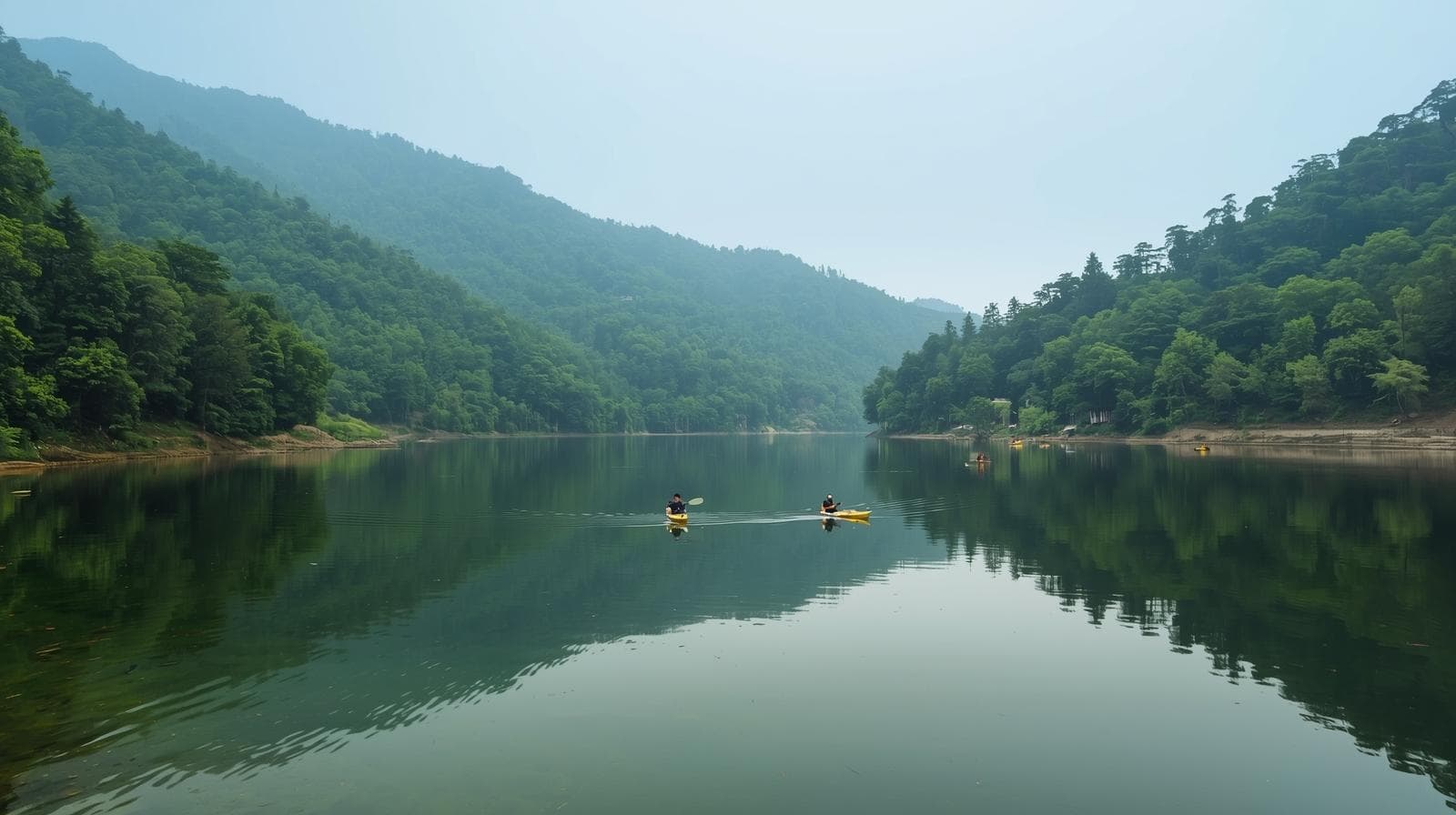
| Durga Devi | Hilly, river, birding | Best for birds and mahseer, fewer tigers |
| Garjiya / Sitabani | Buffer, outside the core | No permit lottery; a soft option, not a core safari |
Dhikala, and why it is different
Dhikala sits deep inside the park on the Ramganga reservoir, with wide grasslands — the chaurs — that give the long open sightlines Corbett is known for. It is the only zone with accommodation inside the park: a set of forest rest houses with basic rooms, a canteen and no connectivity.
A night at Dhikala is the best wildlife experience Corbett offers, because you are inside at dawn and dusk when the animals move, rather than queuing at a gate. It is also the hardest thing to book in the park — rooms release on a fixed schedule months ahead and go within minutes.
Day visitors can enter Dhikala only on a shared canter, a large open bus, on a fixed timing. It is a long day and a very different thing from a private gypsy.
How permits actually work
Safari permits are issued through the official online system and are released a fixed period in advance — typically 45 days for most zones. Weekend and holiday permits for Bijrani and Dhikala disappear immediately.
Three things to know. Permits are issued against the identification of a named person, and that identification is checked at the gate — the names on the permit must match the people in the vehicle. Each permit is for a specific zone and a specific slot, morning or afternoon, and is not transferable between them. And the guide and gypsy are allocated at the gate, not chosen.
Resorts will arrange permits and most visitors use that route. It costs more than booking directly and removes the main failure mode, which is arriving to find nothing available.
The odds, stated honestly
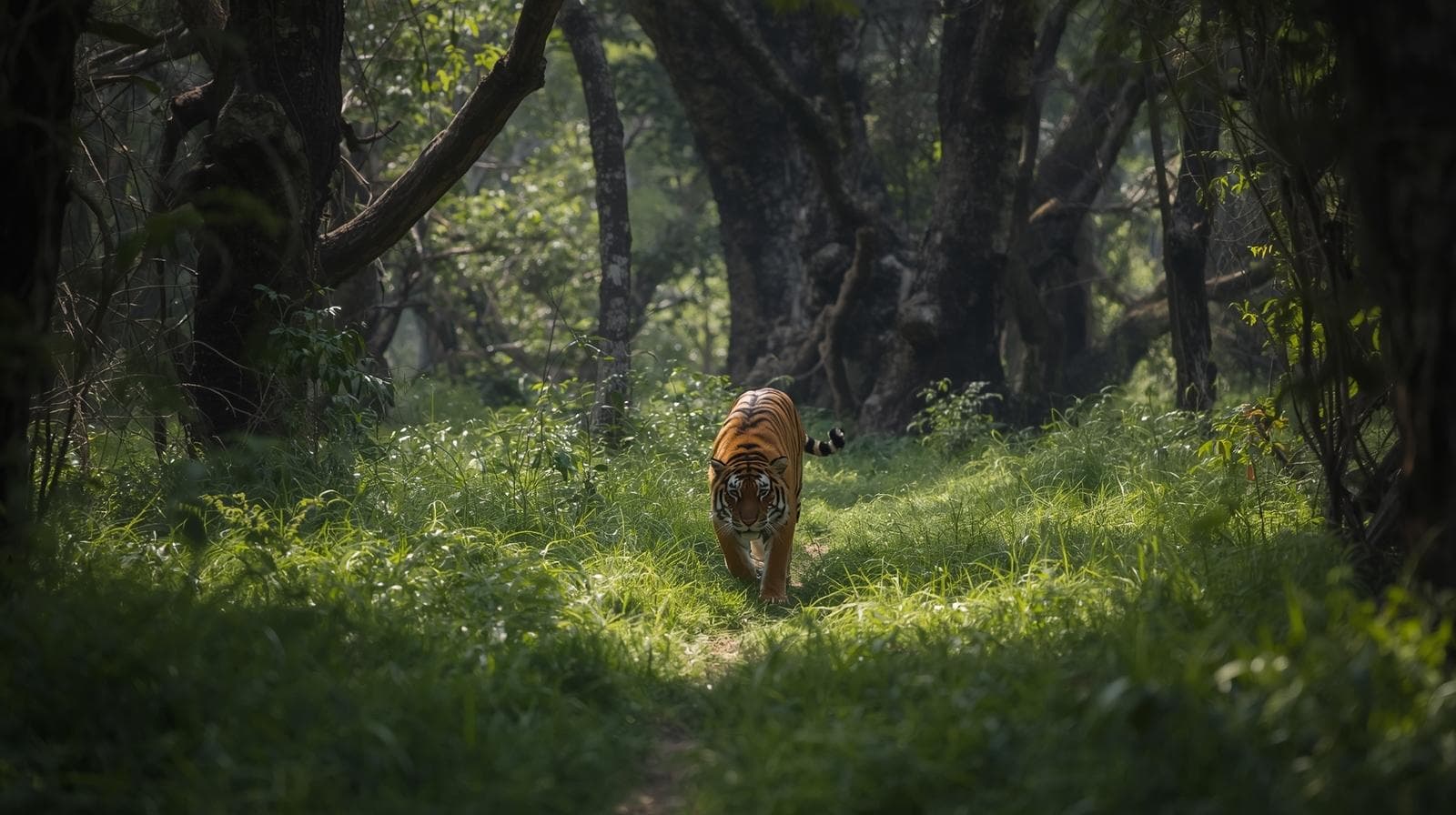
Corbett has one of the highest tiger densities in India. It does not follow that you will see one.
A single safari in a good zone in a good season gives a realistic chance somewhere in the range of one in four or five. Three or four safaris across two days improve that substantially. One afternoon drive in Jhirna in September does not.
What you are very likely to see: elephant, often in herds and often close; spotted deer and sambar in numbers; langur; wild boar; crocodile and gharial on the river; and in Durga Devi an exceptional range of birds. Corbett is a superb park whether or not a tiger appears, and visitors who understand that before booking are the ones who enjoy it.
Anyone promising a sighting is selling something. The honest version is that you are buying the chance and the forest.
When to go
November to February is comfortable and the park is fully open, with cold mornings — an open gypsy at dawn in January needs more clothing than people expect.
March to mid-June gives the best sighting odds as water sources shrink and animals concentrate, at the cost of real heat.
Mid-June to mid-November the core zones close for monsoon. Jhirna and Dhela stay open, and the forest is green and beautiful, but the headline zones are shut and the odds drop.
Getting there
Ramnagar is the gateway town, about 250 km from Delhi and five to six hours by road, with a direct rail connection. Most resorts sit along the Ramnagar–Dhikuli stretch outside the park.
A vehicle is needed to reach the gates and to move between resort and zone — the gates are spread over a wide area and some are an hour apart. Safari vehicles themselves are park gypsies or canters and are allocated separately.
Corbett pairs naturally with Nainital, about 65 km away, for travellers wanting a hill station alongside the park.
Questions people ask
Which Corbett zone should I book?
Bijrani for a strong day safari close to Ramnagar; Dhikala for the classic grassland experience, which needs booking months ahead; Jhirna or Dhela if you are travelling during the monsoon closure.
Will I see a tiger at Corbett?
Possibly. One safari in a good zone and season is roughly a one in four or five chance; several safaris improve it considerably. Elephant, deer, langur and crocodile are near-certain, and the park is worth it regardless.
Can I book a safari on arrival?
Usually not. Permits release online well in advance and weekend slots for the popular zones go immediately. Arriving without one generally means no safari.
When is Corbett closed?
The core zones close roughly mid-June to mid-November for the monsoon. Jhirna and Dhela remain open all year.