Kashi Vishwanath is reached on foot, not by car. Vehicles go as far as Godowlia Chowk, which our Varanasi local-taxi page puts at a five-minute walk from the temple, and the driver uses the Dashashwamedh parking while you go in. From Godowlia the temple is approached through Vishwanath Gali, the lane of shops that ends at the entrance, or from the river along the new corridor that joins the ghat to the shrine. Phones, cameras and bags are left at the desk outside, shoes come off, the queue moves through the security check into the complex, and the darshan of the Jyotirlinga is a few seconds at the sanctum door before the line carries you on. There are no timings or ticket figures on this page, because they change with the festival calendar; the temple's official desk has the day's arrangement. The rest of Varanasi, and the drive there, is on our Varanasi cab page and the Varanasi travel guide.
Where does the car stop for Kashi Vishwanath?
At the edge of the old city. The lanes behind the ghats are too narrow for a car and most of them are closed to four-wheelers in any case, so, as our Delhi to Varanasi guide puts it, the drive ends at the edge of the Godowlia crossing, where the driver uses the Dashashwamedh parking, and the last stretch to the ghats and to the corridor is on foot or by cycle-rickshaw. Godowlia is the busiest crossing in the city, and the driver will drop you on the side nearest the lane rather than try to wait in the crossing itself. If your hotel is on the ghats, give the driver its name and he will bring you to the nearest point a car can reach; hotels in the Cantonment, at Sigra and along the ring road are reached directly.
From the car there are two ways in. The first is Vishwanath Gali, the lane of brass, silk and sweet shops that runs from near Godowlia to the temple's town-side entrance, and it is the way most first-time visitors go, because it is the way the crowd goes. The second is from the river: walk down to Dashashwamedh Ghat and along the waterfront to the corridor entrance, and go up through the new corridor that connects the temple directly to the Ganga. The corridor way is the more open and the better one after a morning boat ride; the lane is the one that puts you among the pilgrims.
The darshan, step by step
- Leave the phone behind. Phones, cameras and bags do not go in; the desks and lockers outside the entrance hold them, and the shops in the lane will hold them too for a small charge. Carry an ID and the offering only. Check the temple's official desk for the current list of what is not allowed.
- Shoes off. At the stands outside the entrance; keep the token.
- The security check. Everyone passes through it, and this is where the queue forms. On an ordinary weekday morning it moves steadily; on a Monday, in the month of Shravan and around the big festivals it is long, and the general line and the special-darshan lines are separate. The special-darshan and ticket arrangements, and what they cost, are the temple's to publish and change; ask at the official desk, not at the lane.
- Into the complex. The corridor has opened the temple out, so the walk from the check to the sanctum is now through courtyards rather than lanes. The line files past the smaller shrines and up to the main temple.
- The sanctum. The darshan of the Jyotirlinga is a few seconds at the door, with the offering handed in and the line kept moving by the attendants. Do not plan on standing still; the moment is short and it is meant to be.
- Out through the courtyards. The shrines around the main temple, the view of the river from the corridor side, and then the shoes, the phone and the lane or the ghat.
The aartis run as a sequence through the day rather than as a single event: an aarti before dawn that opens the temple, aartis through the day and evening, and a final one that closes it. Attending one means being inside the complex at that time, and the arrangements for it are ticketed and change with the calendar, so the official desk is again the place to ask. Most first-time visitors do a plain darshan in the morning and keep the evening for the river.
The day around the temple
| Part of the day | Where | How you get there |
|---|---|---|
| Sunrise | A boat from Assi to Manikarnika | On foot from the ghats; our guide calls it the one thing in Varanasi that needs no car |
| Morning | Kashi Vishwanath darshan | Car to Godowlia, then Vishwanath Gali or the corridor from the ghat |
| Breakfast | Kachori and chai in the old town; the food tour names Ram Bhandar near Godowlia | On foot |
| Afternoon | Sarnath, ten kilometres north on the Cantonment side | The car takes you and waits |
| Early evening | The Ganga aarti at Dashashwamedh Ghat | Car to Godowlia; the steps fill well before it starts, so go straight from the car |
| After dark | Chaat at Godowlia, paan in the lane | On foot back to the car |
How does the Dashashwamedh aarti fit in?
It is the other fixed point of a Varanasi day and it is a short walk from the temple, so the two are usually done on the same trip to Godowlia. The aarti is held on the ghat every evening, in the early evening, and the steps and the boats in front of them fill well before it begins; our Delhi to Varanasi guide says a car arriving from Delhi in the late afternoon still makes it if you go straight from the car, and that is the rule for anyone: be on the steps early or watch it from a boat. The priests perform it as a sequence, the lamps, the conches, the incense and the fire in turn, and it ends with the crowd leaving the ghat together, so let the first rush clear before walking back to Godowlia for the car. Our Varanasi sightseeing tour builds the day this way: the boat at sunrise, the temple, Sarnath, the aarti.
What a first-time visitor gets wrong
- Arriving by car at the temple. It cannot be done; Godowlia is the end of the road and the walk is short. Tell the driver "Godowlia, Dashashwamedh parking" and the rest is on foot.
- Carrying the phone in. It goes to the locker, and the queue is not the place to discover that. Leave it with the driver if you would rather; the car is a few minutes away.
- Following a tout for a "quick darshan". The lane has many. The temple's own arrangements are at its official desk and counters, and the driver knows where they are.
- Coming on a Monday or a festival without allowing for it. The queue is a different animal on those days; go early or accept the wait.
- Trying to do the temple and the aarti in one push. They are a walk apart but hours apart; the temple in the morning and the ghat in the evening is the pattern that works.
Getting to Varanasi by road
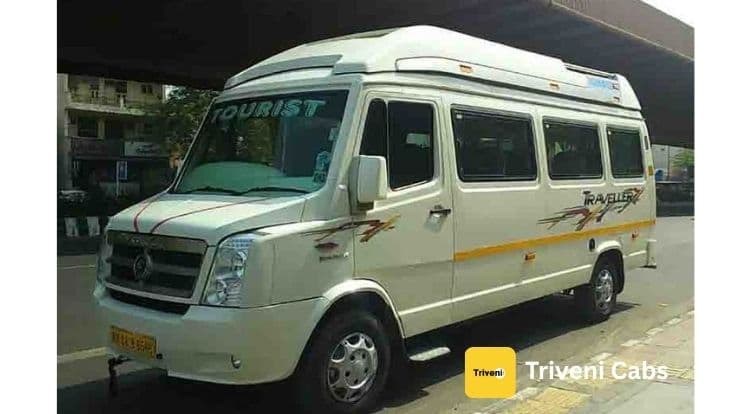
From Delhi the best route by car is the Yamuna Expressway to Agra, the Agra–Lucknow Expressway to Lucknow and then the highway through Sultanpur and Jaunpur: about 820 km and twelve to fourteen hours, which our guide recommends splitting at Lucknow, 550 km in, so that the last 300 km are driven fresh and the car arrives in Varanasi at lunchtime with the afternoon for Sarnath and the evening for the aarti. On the rate card the sedan is ₹11/km, the Ertiga or SUV ₹15, the Innova Crysta ₹18 and the 12-seater Tempo Traveller ₹23, on a 300 km per day minimum, with tolls and the driver's night halt at actuals; 820 km bills its distance. The Delhi to Varanasi route guide walks the road kilometre by kilometre; once you are in the city, the same driver does Sarnath, the Cantonment and the airport, and the temple is always on foot from Godowlia.
Frequently Asked Questions
Can a car reach Kashi Vishwanath Temple?
No. Vehicles go as far as Godowlia Chowk, a five-minute walk from the temple; the driver uses the Dashashwamedh parking and you walk through Vishwanath Gali or along the corridor from the ghat.
What do I leave outside the temple?
Phones, cameras and bags, at the desks and lockers outside the entrance, and shoes at the stands. Carry an ID and the offering; check the official desk for the current list.
What are the darshan timings and ticket prices?
They change with the festival calendar and are the temple's to publish, so this page gives none; the temple's official desk has the day's arrangement for the general line, special darshan and the aartis.