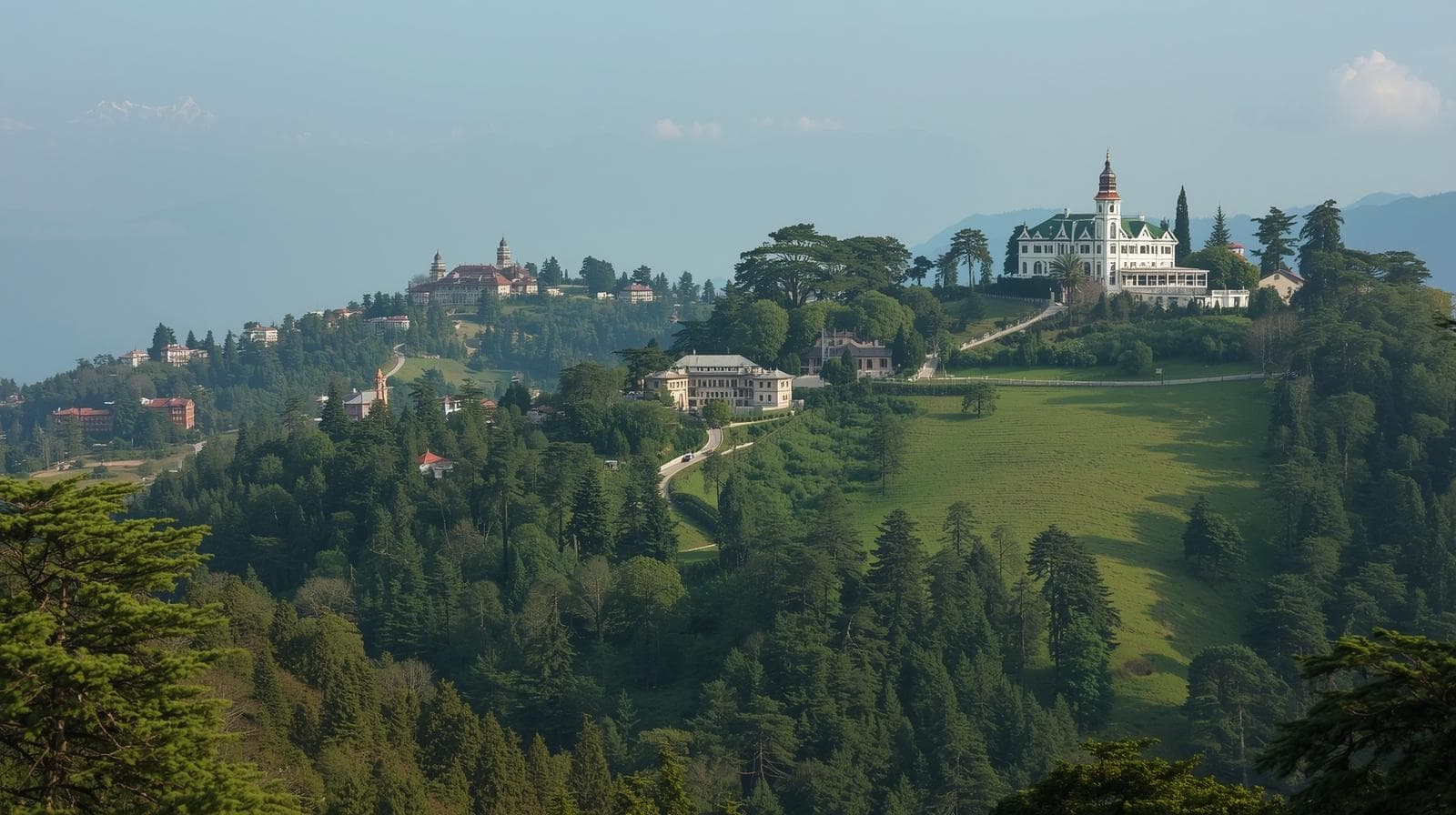
Kasol is a village on the Parvati river at about 1,640 m, roughly 520 km from Delhi and 30 km from Bhuntar, the nearest airport. It is the base for the Parvati valley — Manikaran's hot springs and gurudwara 4 km upstream, the one-hour riverside walk to Chalal, and the villages of Tosh and Malana higher up. It is busy, backpacker-oriented and has a well-known reputation; it is also genuinely beautiful, and the walks out of it are the reason to come rather than the village itself.
What Kasol is now
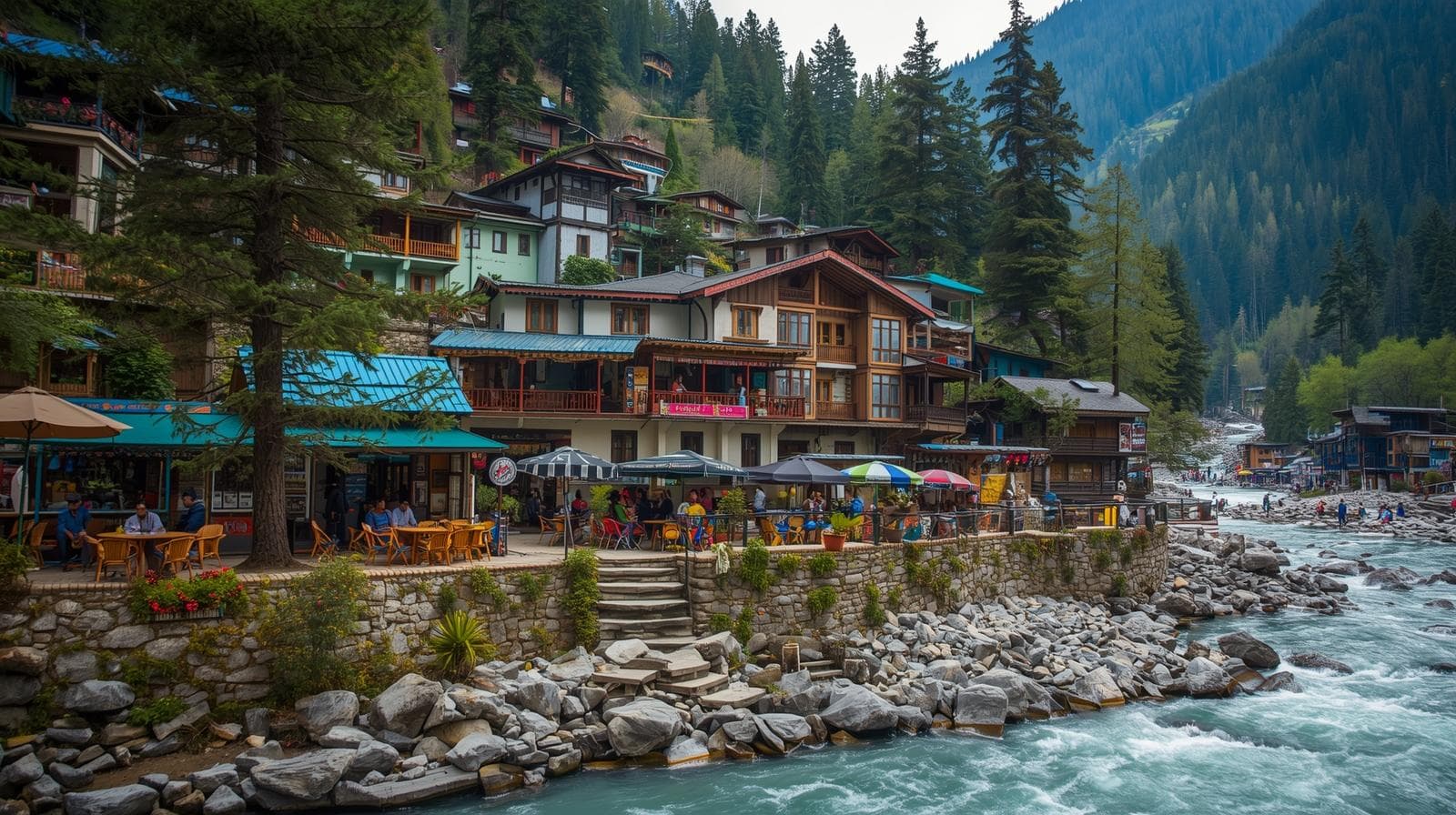
Kasol grew from a small village into a travellers' hub over the past two decades, originally around the Israeli backpacker circuit — which is why the cafes serve shakshuka and hummus alongside Himachali food, and why signage in Hebrew is common. In season the main street is a dense run of cafes, guesthouses and gear shops.
Travellers expecting a quiet Himalayan village are regularly surprised. Kasol in June is crowded, loud at night and commercial. Kasol in late September is a different place: thin crowds, clear air, the river loud and the deodar forest empty.
The village itself has no sights. Everything worth doing is a walk or a short drive from it, which is the right way to plan the stay.
Manikaran
Manikaran is 4 km up the valley and is the serious destination in this stretch — a town built around hot springs so hot that food is genuinely cooked in them. The Gurudwara Manikaran Sahib has communal baths fed by the springs and a langar where rice and dal are cooked by lowering cloth bundles into the spring water.
It is a major Sikh pilgrimage site and also sacred to Hindus, with the Shiva and Rama temples alongside. The baths are segregated and the water is hot enough to need care getting in. Heads are covered, shoes left at the entrance, and the langar is open to anyone.
The town itself is cramped and industrial-feeling with steam rising between buildings. It is not pretty. It is one of the more memorable places in Himachal.
| Where | Distance | What it takes |
|---|---|---|
| Chalal | 2 km | A one-hour riverside forest walk; no road |
| Manikaran | 4 km | Short drive or local bus; hot springs and gurudwara |
| Tosh | about 20 km | Drive to Barshaini, then a 3 km walk up |
| Kheerganga | from Barshaini | A full-day 12 km trek and overnight; serious walking |
| Malana | about 20 km | Drive plus a steep climb; a village with its own customs |
Chalal, the walk everyone should do
Chalal is a hamlet across the Parvati from Kasol, reached by a footbridge and a path through pine along the river. It takes about an hour at a slow pace and there is no road, which is what keeps it quiet.
This is the single best short thing to do from Kasol: the river is loud and glacial-green, the forest is dense, and the hamlet at the end has a handful of cafes with terraces over the water. If you only have one afternoon, spend it here rather than in the main street.
Tosh and Malana
Tosh sits at the head of the valley, reached by driving to Barshaini and walking the last three kilometres uphill. It has grown considerably but still has the shape of a hill village, with guesthouses stepped up the slope and a genuine view back down the valley. An overnight there is the easiest way to see the valley without the Kasol crowd.
Malana is a village with its own administration, its own dialect and long-standing customs about contact with outsiders — visitors are asked not to touch residents, their houses or the temple. These rules should be respected without debate, and a local guide avoids accidental offence. The walk up is steep.
An honest note on the valley
The Parvati valley has a long association with cannabis cultivation and with the drug tourism that follows it, and this is part of Kasol's reputation. It is also where a number of foreign travellers have gone missing over the years, almost always in connection with solo trekking in remote side valleys without local knowledge.
Neither fact should keep a normal traveller away. Both argue for the same ordinary precautions: do not trek alone in the upper valleys, use a local guide for anything beyond the marked walks, tell someone where you are going, and treat offers from strangers with the same judgement you would anywhere.
When to come and how to get there
March to June and September to November are the seasons. Monsoon brings landslides on the Bhuntar–Kasol road and flash risk on the Parvati, and the valley has suffered serious flooding. Winter is cold and quiet with snow higher up.
From Delhi it is about 520 km, twelve to fourteen hours by road, usually overnight. From Manali it is around 75 km and three hours, which is how most people combine the two. Bhuntar airport is 30 km away.
Questions people ask
Is Kasol safe for solo travellers?
The village and the marked walks are as ordinary as anywhere else in Himachal. The caution is about solo trekking in remote upper valleys without a guide, which is where problems have historically occurred.
What is there to actually do in Kasol?
Very little in the village itself. The walk to Chalal, the hot springs at Manikaran, and trips up to Tosh or Kheerganga are the reasons to be there.
Can I visit Malana freely?
You can visit, but the village has customs about physical contact with outsiders and their property. Respect them without argument and consider a local guide.
When is Kasol least crowded?
Late September to November. June and the summer holidays are the busiest and loudest.