Leh sits at 3,500 m and the single most important rule is to do nothing for the first 24 to 48 hours after flying in. Altitude sickness affects a large share of visitors who fly straight from the plains, and the standing local advice is a full rest day on arrival, no alcohol, steady water and no exertion. Permits for Nubra, Pangong and the Changthang lakes are arranged in Leh, usually through a hotel or agent, and the practical trip length is six to eight days.
The first forty-eight hours, which decide everything
A flight from Delhi to Leh takes about ninety minutes and lifts you from roughly 220 m to 3,500 m with no transition. The body has no opportunity to adjust, and the result is that a meaningful proportion of visitors feel genuinely unwell on the first evening: headache, breathlessness on stairs, poor sleep, no appetite, sometimes nausea.
This is normal and it usually passes. What turns it from uncomfortable into dangerous is pushing through it — driving to Khardung La on day two, or walking up to a monastery on the first afternoon. The rule is simple and locals repeat it for a reason: on day one you rest. Not a light day, an actual rest day.
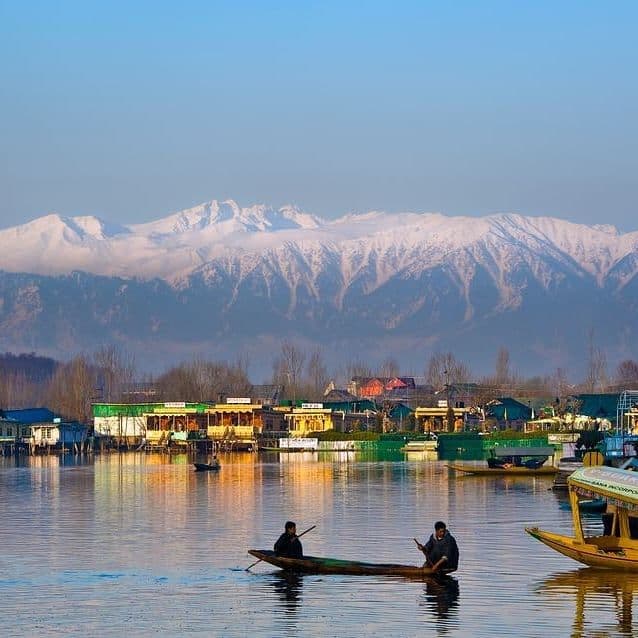
Travellers arriving overland from Manali or Srinagar have already gained altitude gradually over two days and are in a much better position. That is the main argument for the road route beyond the scenery.
What altitude sickness feels like, and when to worry
Mild acute mountain sickness is a headache plus some combination of tiredness, breathlessness, dizziness and disturbed sleep. It typically appears six to twelve hours after arrival and eases over a day or two with rest and fluids. Many travellers take acetazolamide as a preventive, started before arrival, which is a conversation to have with a doctor at home rather than at a chemist on arrival.
The signs that mean descend rather than wait are different in kind: confusion, inability to walk in a straight line, breathlessness at rest, or a persistent wet cough. Those indicate the serious forms of altitude illness, and the response is to lose altitude immediately and get medical help. Leh has a hospital and oxygen is widely available, including in most hotels.
| Days | Where | Note |
|---|---|---|
| 1-2 | Leh town only | Rest. Leh Palace, the market, Shanti Stupa at a slow walk |
| 3 | Sham valley — Magnetic Hill, Alchi, Likir | Lower altitude, a gentle first drive |
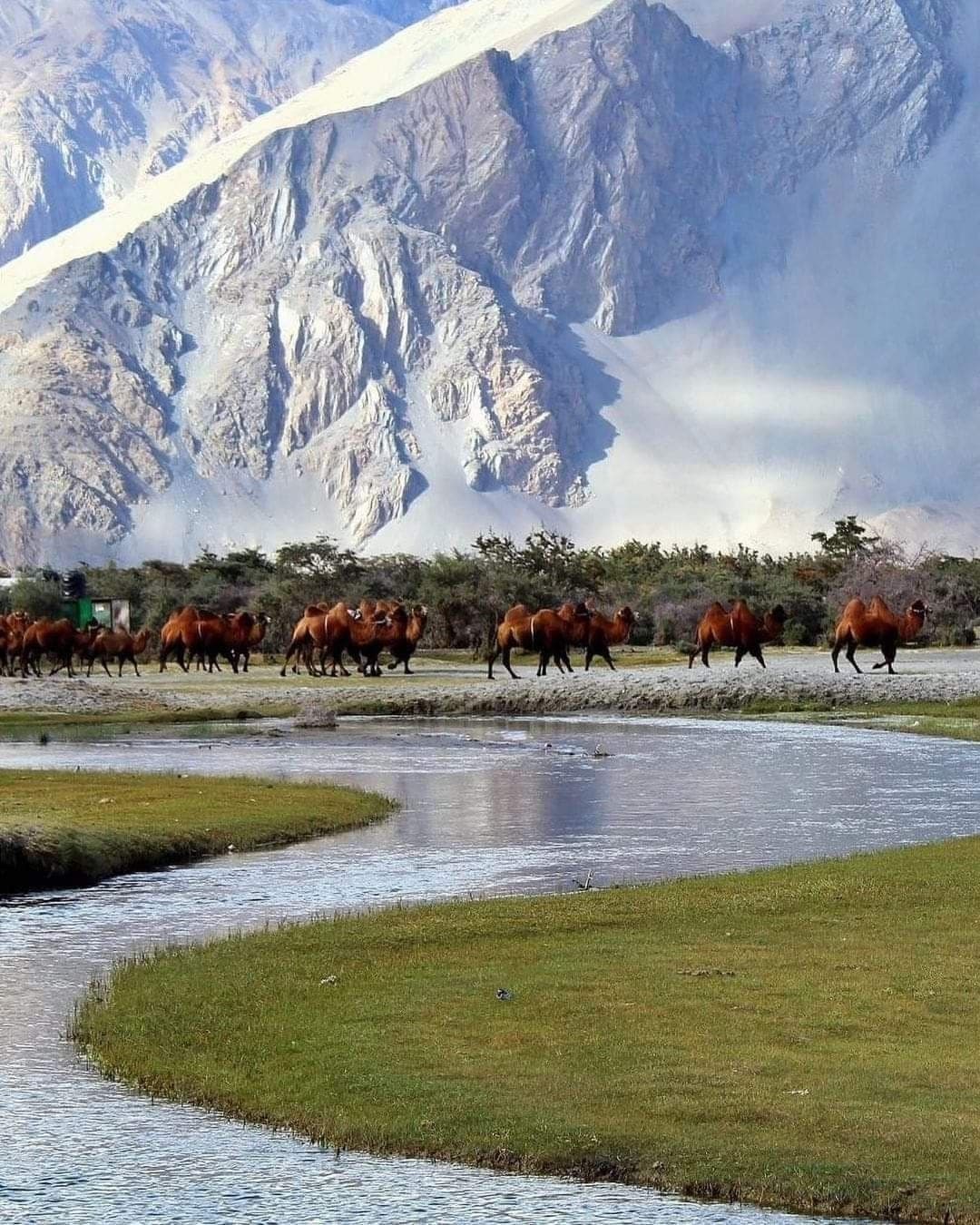
| 4-5 | Nubra via Khardung La | Overnight at Hunder or Diskit |
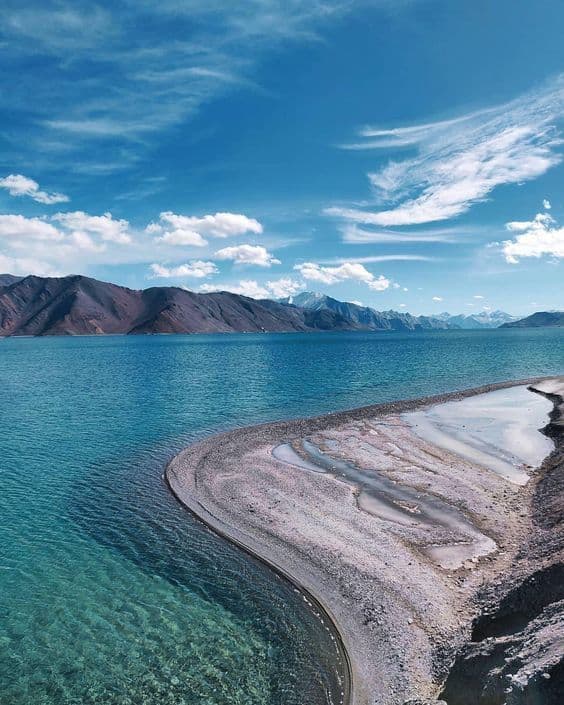
| 6-7 | Pangong Tso | Overnight by the lake, long driving days |
| 8 | Return to Leh | Buffer for weather or a closed pass |
What to see while you are resting
A rest day does not mean a hotel room. It means staying near 3,500 m and not exerting yourself, which leaves plenty.
Leh Palace is a nine-storey seventeenth-century structure above the old town, modelled on the Potala in Lhasa. The climb up to it is short but steep enough to feel on day one — go slowly or save it for day two. Shanti Stupa has the best view over Leh, especially at sunset, and there is a road to the top for anyone not ready for the steps.
The old town bazaar below the palace is the most rewarding slow hour in Leh: apricot sellers, pashmina workshops, and the Jama Masjid at the head of the main street. All of it is flat walking.
Permits, plainly
Indian nationals need an Inner Line Permit for Nubra, Pangong, the Changthang lakes and the Dah-Hanu villages. Foreign nationals need a Protected Area Permit for the same areas. Both are arranged in Leh, and almost every hotel or travel agent will handle the paperwork for a small fee, which is what most visitors do.
Carry several photocopies. Permits are checked at posts along each route and a copy is surrendered at each one. Arranging the permit takes a day, which is another reason the rest day is not wasted time.
When Ladakh is open
May to September is the season. The Manali–Leh and Srinagar–Leh highways open around late May or early June once the passes are cleared, and close again around October or November with the first heavy snow. Flights operate year-round but are weather-dependent and cancellations are common in winter.
July and August are the busiest and warmest, with Pangong and Nubra fully accessible. June and September are quieter with the same access and better light. Winter is for a specific kind of traveller — the Chadar trek on the frozen Zanskar, snow leopard tracking in Hemis — and requires serious preparation.
Getting around
Ladakh is driven, and the distances are long: Leh to Pangong is about 220 km of mountain road taking five to six hours each way. Self-driving is popular with motorcyclists and is a serious undertaking given the altitude, the passes and the limited fuel.
For most visitors a chauffeur-driven vehicle is the practical answer, and local taxi union rates apply on the Leh-based circuits. Triveni Cabs covers the approach routes from the plains and from Srinagar, where the Srinagar–Leh highway is the gradual-ascent option.
Questions people ask
How many days do I need for Ladakh?
Six to eight. Two for acclimatising in Leh, then two for Nubra and two for Pangong, with a buffer day for weather or a closed pass.
Is it better to fly in or drive in?
Driving in from Manali or Srinagar gives gradual acclimatisation and is far kinder on the body, but costs two extra days each way. Flying in is quicker and makes the first rest day essential rather than optional.
Do I need a permit for Leh town?
No. Permits are needed for Nubra, Pangong, the Changthang lakes and Dah-Hanu, and are arranged in Leh in a day.
Can children and older travellers manage the altitude?
Many do, but the acclimatisation rule matters more, not less. Anyone with heart or lung conditions should take medical advice before booking.