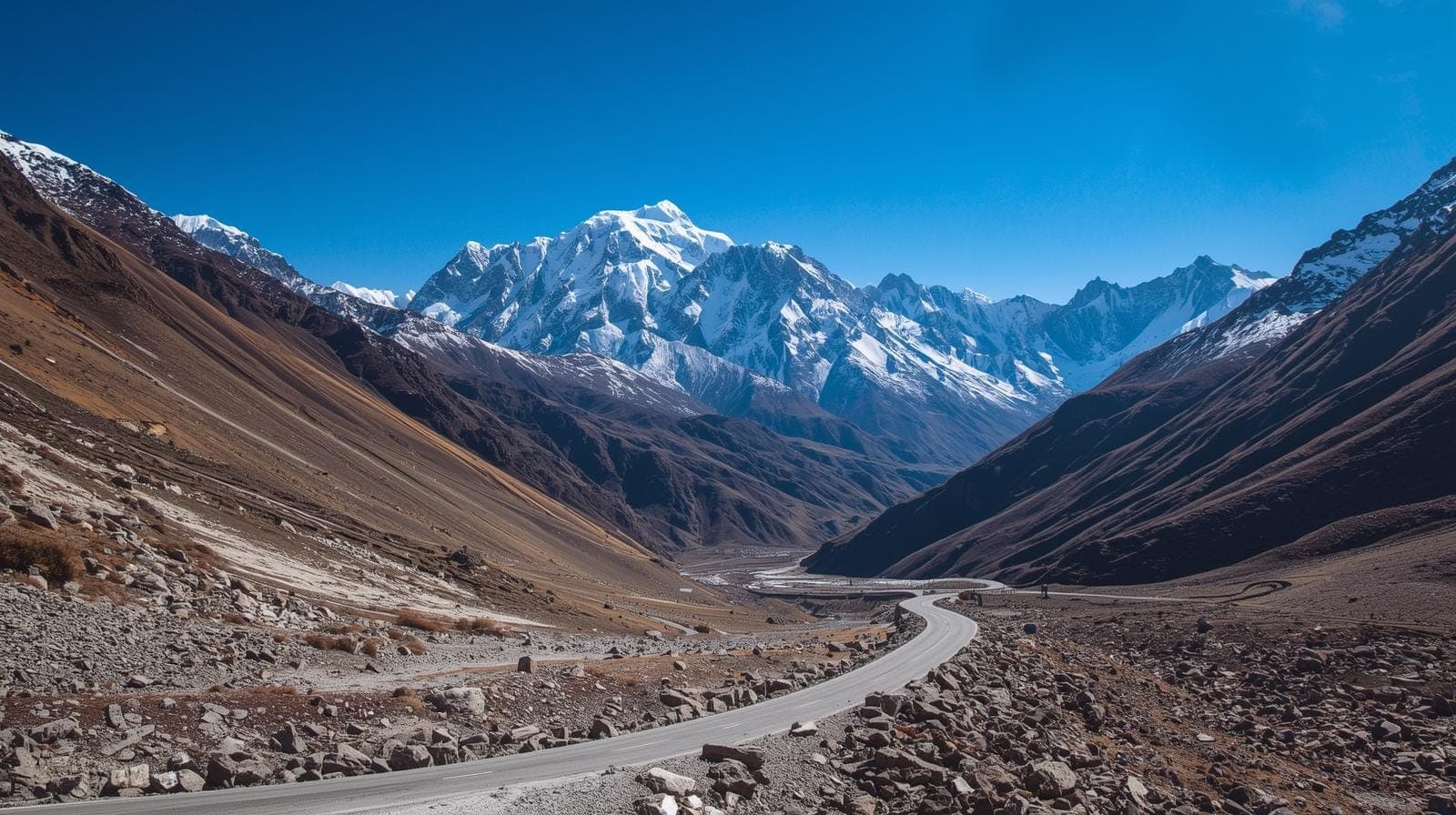
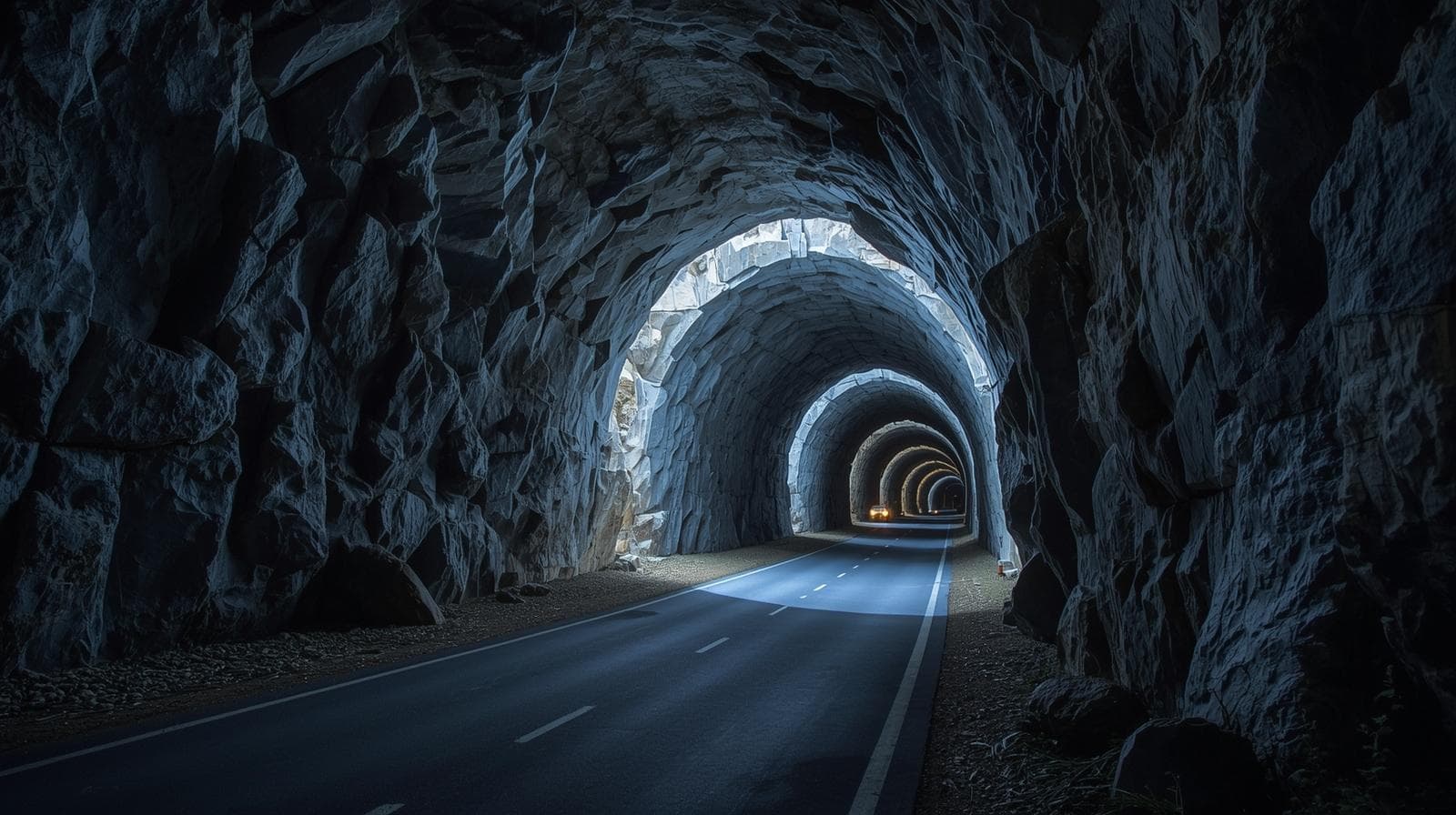
A Rohtang Pass permit is a day permit issued online by the Kullu district administration against a daily quota of vehicles, tied to one vehicle number and one date, and checked at the barrier on the road up from Manali. Without it no vehicle goes beyond the check post; with it, the car climbs to the pass at 13,050 ft when the road is open, which in a normal year is from late spring to the start of winter. The Atal Tunnel is the alternative that needs no permit: it takes the same road out of Manali and passes under the mountain into Lahaul. Our drivers apply for the permit against the car they are driving, carry it, and plan the Manali days around whether it was granted. Fares for the corridor are on the Delhi to Manali one-way cab page and, for groups, the Tempo Traveller page.
Why does Rohtang need a permit at all?
Because the road to the pass is a fragile, high, single road through a protected landscape, and the number of vehicles allowed up it each day is capped. The cap is enforced by a permit system: a vehicle is allowed beyond the check post above Manali only if it holds a permit for that day, and the permits are issued online in advance against the day's quota. Tourist vehicles and taxis fall under the quota; the rules and the quota itself are set by the district administration and change, which is why this post describes the sequence and not the numbers. The fee, the quota and the cut-off times are on the permit portal on the day you apply, and nowhere else is reliable.
The permit is tied to a vehicle number, not to a passenger, and it is valid for one date. That has two consequences for anyone arriving by cab. First, the permit has to be applied for against the car that will actually make the climb, which is why the driver applies rather than the passenger. Second, private cars from outside are restricted beyond a point on some days, and the usual answer is a local Manali vehicle for the Rohtang leg; our sightseeing pages say plainly that we help arrange the permit and a local cab where private vehicles are restricted.
The permit, step by step
- Fix the date. Decide which Manali day is the Rohtang day; the permit is for one date and the quota fills on weekends and in the peak weeks.
- Apply on the portal. The Kullu administration's online permit portal takes the vehicle number, the driver and vehicle papers, the date and the number of passengers, and issues the permit against the day's quota. The portal shows the fee and the days the pass is shut for maintenance or weather.
- The driver applies. For a Triveni booking the driver applies against the car he is driving, or arranges the local vehicle where our car is restricted, and tells you whether the permit was granted before you plan the day.
- Carry the papers. The permit, the vehicle papers and an ID for the passengers are checked at the barrier on the way up; the driver keeps them together.
- Go early. The check post opens with the day and the road above it is slow; the drivers leave Manali at first light so the pass is reached with the morning clear.
- Have a plan B. If the quota is full or the pass is closed for the day, the same morning goes to Solang Valley and through the Atal Tunnel to Sissu in Lahaul, which needs no permit.
Rohtang or the Atal Tunnel: what each needs
| Question | Rohtang Pass | Atal Tunnel to Lahaul |
|---|---|---|
| Permit | Yes: online, per vehicle, per date, against a daily quota | No permit for the tunnel and Sissu |
| Where it goes | Over the top to the pass at 13,050 ft, snow and the views | Under the mountain, 9 km, into the Lahaul valley |
| Season | Open late spring to early winter; closed by snow from December to April in a normal year | Open through the year; shuts briefly for snow clearing in heavy falls |
| Vehicle | Our car if permitted, a local Manali vehicle where outside cars are restricted | Our car, any day it is open |
| What to check | The permit portal: quota, fee, closure days | The morning's weather and any snow-clearing closure |
The honest summary is that Rohtang is a permit and a gamble on the day, and the tunnel is neither. From December to April the pass is closed by snow and the tunnel is the only way to Lahaul; in the summer months both are open and the permit decides which you do. Snow is on both roads in the shoulder months, and the Lahaul side of the tunnel at Sissu often has it when the Manali side does not.
How a Delhi to Manali cab plans the Rohtang day
Delhi to Manali is 530 km and twelve to thirteen hours on NH-44 and NH-21 through Karnal, Chandigarh, Bilaspur, Mandi and Kullu, with four toll plazas totalling ₹455 for a car one-way and no tolls after Bilaspur. Most people give Manali three days: the drive up, a full day for Rohtang or the tunnel with Solang Valley on the way, and the drive back. The permit is applied for as soon as the dates are fixed, because the quota is the constraint, and the Rohtang day is put in the middle so that a refusal on one date can move to the next.
On the rate card a sedan is ₹5,830 one-way for the 530 km at ₹11/km, an Ertiga or SUV ₹7,950 at ₹15, an Innova Crysta ₹9,540 at ₹18 and a 12-seater Tempo Traveller ₹12,190 at ₹23; tolls, parking and the permit are extra at actuals. A three-day round trip with the car staying in Manali bills the greater of twice the one-way fare or three days at the 300 km minimum, and on this corridor it is the distance that counts. Our Manali pages recommend an SUV or Innova for the climb; for the Rohtang leg itself the vehicle may be a local one, in which case the permit and the local cab are billed as they are charged. The Manali cab page lists the corridors and the local runs.
What to carry, and what not to expect
- Warm layers, gloves and sunglasses: the pass is high and bright even in summer, and snow gear is hired on the way up rather than carried from Delhi.
- An ID for every passenger, because the barrier checks the permit against the vehicle and the people in it.
- Time. The road above the check post is slow and shared with every permitted vehicle of the day; the pass is a morning, not an hour.
- No expectation of the pass itself. A closure for weather can come the same morning; the tunnel and Solang are the day's fallback and are worth the drive in their own right.
When is Rohtang open, and what closes it?
Snow closes it for the winter and rain closes it in the monsoon, which leaves two windows. In a normal year the pass is shut by snow from December to April and opens as the road is cleared in late spring; our best-time page for Manali notes it closed again in the monsoon months of July to September, when the road is treacherous with landslides; and it stays open through the autumn until the first heavy fall. Late spring and early summer, and then September to November, are the Rohtang months, and even inside them a morning's weather can close the barrier for the day. The permit portal is where a closure is announced, and the driver checks it the evening before.
The Atal Tunnel has the opposite calendar problem: it is open in every month, but in heavy snowfall it shuts for a few hours of clearing at a time, usually early in the morning, and the Lahaul side at Sissu can be under snow when Manali is not. In winter, when Rohtang is closed, the tunnel and Solang are the whole of the snow day, and the drivers plan it for the middle of the day when the clearing is done.
The road up, plaza by plaza
Because the Rohtang day begins in Delhi for most people, it is worth knowing the road. Our Delhi to Manali toll page lists four plazas for a car: Panipat at ₹165, Karnal at ₹130, Ambala at ₹95 and Bilaspur at ₹65, ₹455 in all, and no tolls after Bilaspur, because the mountain stretch through Mandi, the Aut tunnel and Kullu is toll-free. The plains section to Chandigarh is fast four-lane road, the climb from Bilaspur through Sundernagar to Mandi is the middle of the day, and the Beas valley from Mandi to Manali is the slow, beautiful last third. Our drivers leave Delhi before dawn so that the hill section is done in daylight and the car is in Manali by the evening, with the permit already applied for and the Rohtang day the next morning but one.
Frequently Asked Questions
Do I need a permit for Rohtang Pass?
Yes. Every vehicle going beyond the check post above Manali needs a day permit issued online against the daily quota, tied to the vehicle number and the date. The Atal Tunnel to Lahaul needs no permit.
Who applies for the permit when I travel by cab?
The driver, against the car he is driving, or he arranges a local Manali vehicle where outside cars are restricted. You are told whether the permit was granted before the day is planned.
Is Rohtang open in winter?
No. In a normal year the pass is closed by snow from December to April, and the Atal Tunnel is the only way to Lahaul in those months.