
When do Rohtang and the Atal tunnel open?Two different seasons for the same mountain
They are no longer the same question. The Rohtang pass is usually open from late May to October — it is at 3,978 metres, it is cleared by the BRO each spring, and the date moves by weeks depending on the snow. The Atal tunnel runs beneath it and is usable for most of the year, closing only for weather on the approaches rather than for the season. So a March date that is hopeless for Rohtang is often perfectly fine for Lahaul through the tunnel, and that is the single most useful thing to know when planning a Manali trip outside the summer.
Updated · Fares from the published rate card, Sedan ₹11/km to Tempo ₹23/km
- Rohtang pass
- Usually late May to October
- Atal tunnel
- Most of the year, weather permitting
- Snow at Solang
- Roughly December to March
- Decided by
- The BRO and the weather, not a calendar
The reason this is confusing is that most of what is written about Rohtang predates the tunnel. Before it opened, the pass was the only road to Lahaul and the Leh highway, and "when does Rohtang open" meant "when can you get to Keylong". That is no longer what it means.
Now there are two separate answers. The pass is a seasonal high-altitude road cleared each spring and shut by snow each autumn. The tunnel is a year-round piece of infrastructure that closes episodically for weather rather than seasonally. They reach the same valley by different means and on different calendars.
This page sets out both, says where the snow actually is in each month — which is what most of the question is really about — and explains why no page can give you a date.
Rohtang, the Atal tunnel and the snow, month by month
The third column is what most people are actually asking about. Snow near Manali and the Rohtang pass being open are different things, and for most of the year the snow is available without the pass.
| Month | Rohtang pass | Atal tunnel | Where the snow is |
|---|---|---|---|
| Dec–Feb | Closed | Usually open; episodic closures | Solang and Gulaba, reliably. No permit needed |
| Mar | Closed | Usually open | Solang and Gulaba; Lahaul through the tunnel |
| Apr | Closed; BRO clearing | Open | Higher Solang and the tunnel approaches |
| May | Opens, usually late in the month | Open | At the pass once open; Lahaul |
| Jun | Open | Open | Pass-side snow banks; busiest month for both |
| Jul–Aug | Open; monsoon closures | Open; approach closures | Little; this is the wet season |
| Sept | Open | Open | Little, but the clearest month for the drive |
| Oct | Open until the first heavy snow | Open | First snow possible late in the month |
| Nov | Usually closed | Open; episodic closures | Returning at Solang |
The pass opening and closing dates are decided by the Border Roads Organisation and the Himachal authorities against the actual snow, and they move by several weeks between years. Tunnel closures are weather events of hours or days rather than seasonal. Neither is a date you can look up in advance with confidence.
The pass
Why nobody can tell you the Rohtang opening date in advance
Because it is not a scheduled event. The Border Roads Organisation clears the pass each spring, working from both sides through snow that can be many metres deep in places, and the date it opens to traffic is the date the work finishes and conditions allow. That has fallen anywhere from early May to late June depending on the winter.
Closing is the same in reverse. The pass stays open until the first heavy snowfall makes it unsafe, which has been as early as mid-October and as late as November. There is no published closing date; there is a day when it shuts.
The practical consequence for planning is that a Rohtang crossing should never be the thing an itinerary depends on. Treat it as a bonus if the date and the conditions align, and build the trip around Solang, Lahaul through the tunnel, and the Kullu valley — all of which are available regardless.
Rohtang pass permit: how to get one, and when you do not need it
The tunnel
What "open most of the year" actually means
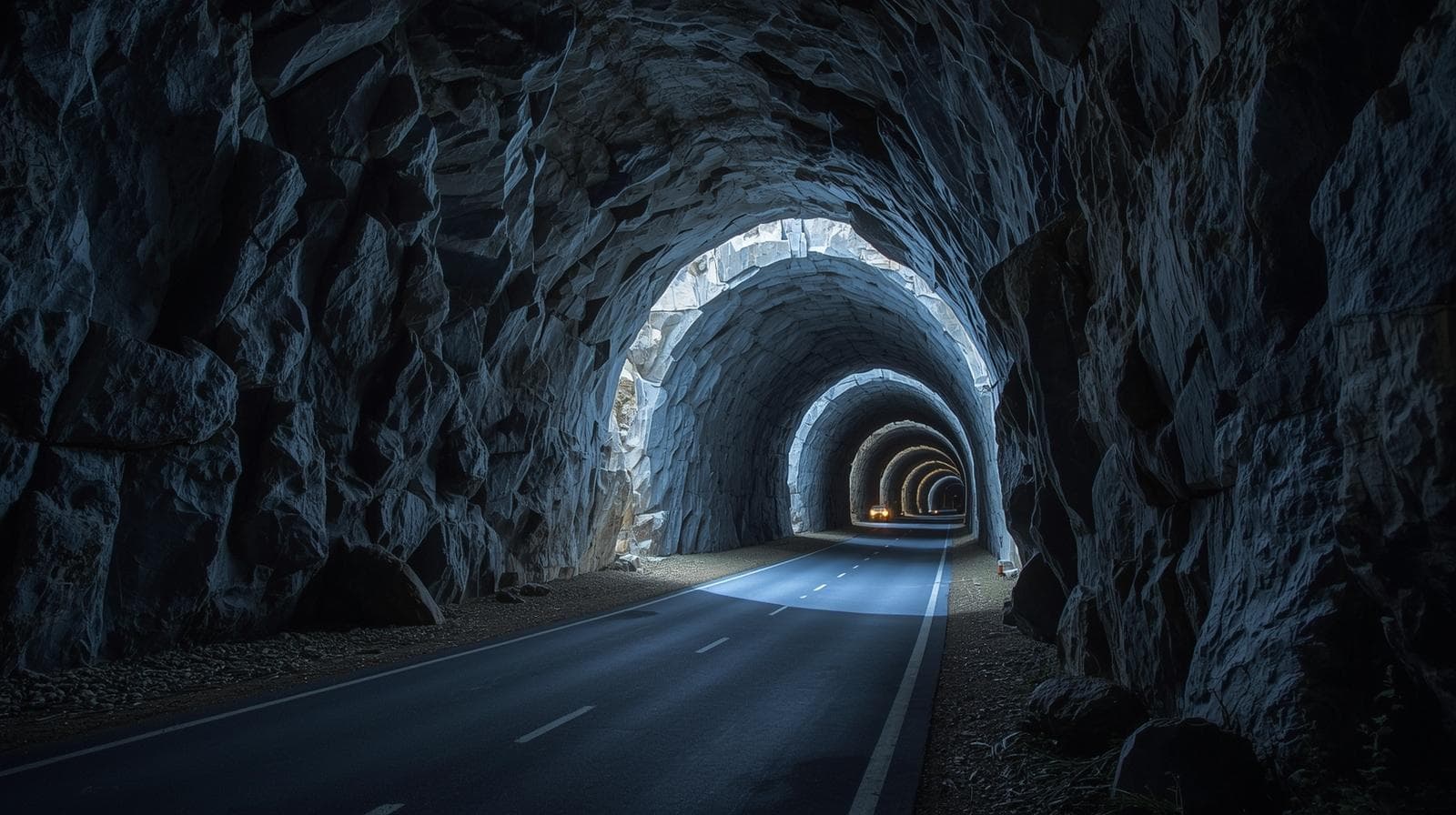
The Atal tunnel is 9.02 km long and runs under the pass from near Dhundi on the Manali side to Teling in Lahaul. The tunnel itself is not seasonal. What closes is the approach — the road up to the south portal, or the Lahaul side beyond the north portal — during and after heavy snow or in a slide.
So a tunnel closure is a weather event of hours or a day or two, not a winter. Through December to March it is usually open and occasionally not, and the check that matters is the morning rather than the month.
What this changes is the shape of a winter Manali trip. Before the tunnel, December to March meant Solang and nothing beyond it. Now a January visitor can reach Sissu and see a treeless high valley under snow, forty-five minutes from a forested one, and be back for dinner. That is a genuinely different holiday and most itineraries written before 2020 do not mention it.
The real question
If you want snow, you are asking about the wrong road
The great majority of Rohtang questions are snow questions in disguise. Somebody is going to Manali in January and wants to stand in snow, has read that Rohtang is where the snow is, and is trying to work out the permit and the opening date.
Solang is the answer. It is 13 km from Manali on the Manali side of the pass, it carries snow reliably from roughly December to March, it needs no permit and it is open when Rohtang is shut. Gulaba, a little further up, is the same. Between them they deliver what most visitors want with no paperwork and no uncertainty.
In the opposite direction, June is the month when people expect snow at Rohtang and find slush and crowds. If snow is the point, the winter months on the Manali side are a better plan than the summer at the pass — which is close to the reverse of what most itineraries suggest.
Planning
How to build a Manali trip that works whatever opens
Plan the trip around the Kullu valley, Solang and the tunnel run to Sissu or Keylong. Those three are available in some form in almost every month, they are genuinely good, and none of them requires a permit.
Treat Rohtang as an optional extra to be decided on the day. If your dates fall between late May and October and conditions are good, we will arrange the permit and take you up. If not, nothing in the itinerary breaks.
In winter specifically, add slack. Tunnel approach closures after heavy snow are short but real, and a day in Manali waiting for the road to Sissu to reopen is a reasonable outcome rather than a ruined trip — provided the plan was not a single-day dash to Lahaul and back.
And ask us on the morning. The road position in the shoulder weeks changes day to day, and our drivers check before setting out rather than relying on anything published in advance.
Three things the drivers would tell you
For snow, go to Solang in winter, not Rohtang in June
Solang is 13 km from Manali, needs no permit, carries snow from roughly December to March and is open when the pass is shut. June at Rohtang is slush and queues.
Never make Rohtang the point of the trip
The opening date is decided by the BRO against the actual snow and moves by weeks. Treat the crossing as a bonus, not a plan.
The tunnel changed winter Manali
A January visitor can reach Sissu and a treeless snow valley in forty-five minutes. Itineraries written before the tunnel do not mention it.
A tunnel closure is hours, not a season
What closes is the approach road after heavy snow, not the tunnel. Add a day of slack in winter and it is an inconvenience.
Ask on the morning
In the shoulder weeks at either end of the pass season, the only reliable check is the day itself. Our drivers check before setting out.
Questions people ask
Frequently asked questions
Our team is here to help. Contact us for personalized assistance.
Where to go next
